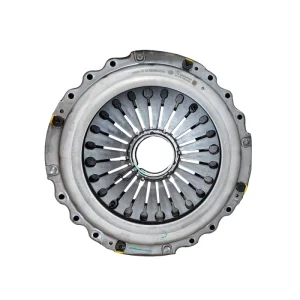
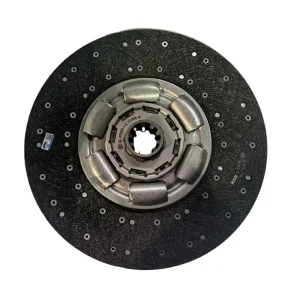
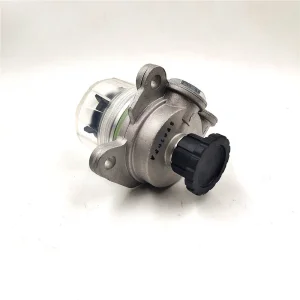
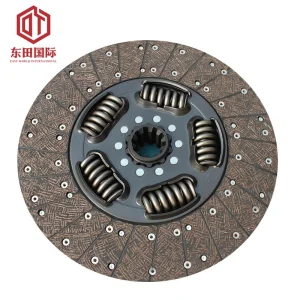
Empowering the future with our Precision Friction Solutions, engineered for excellence.
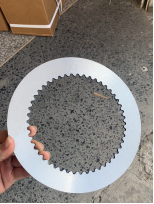
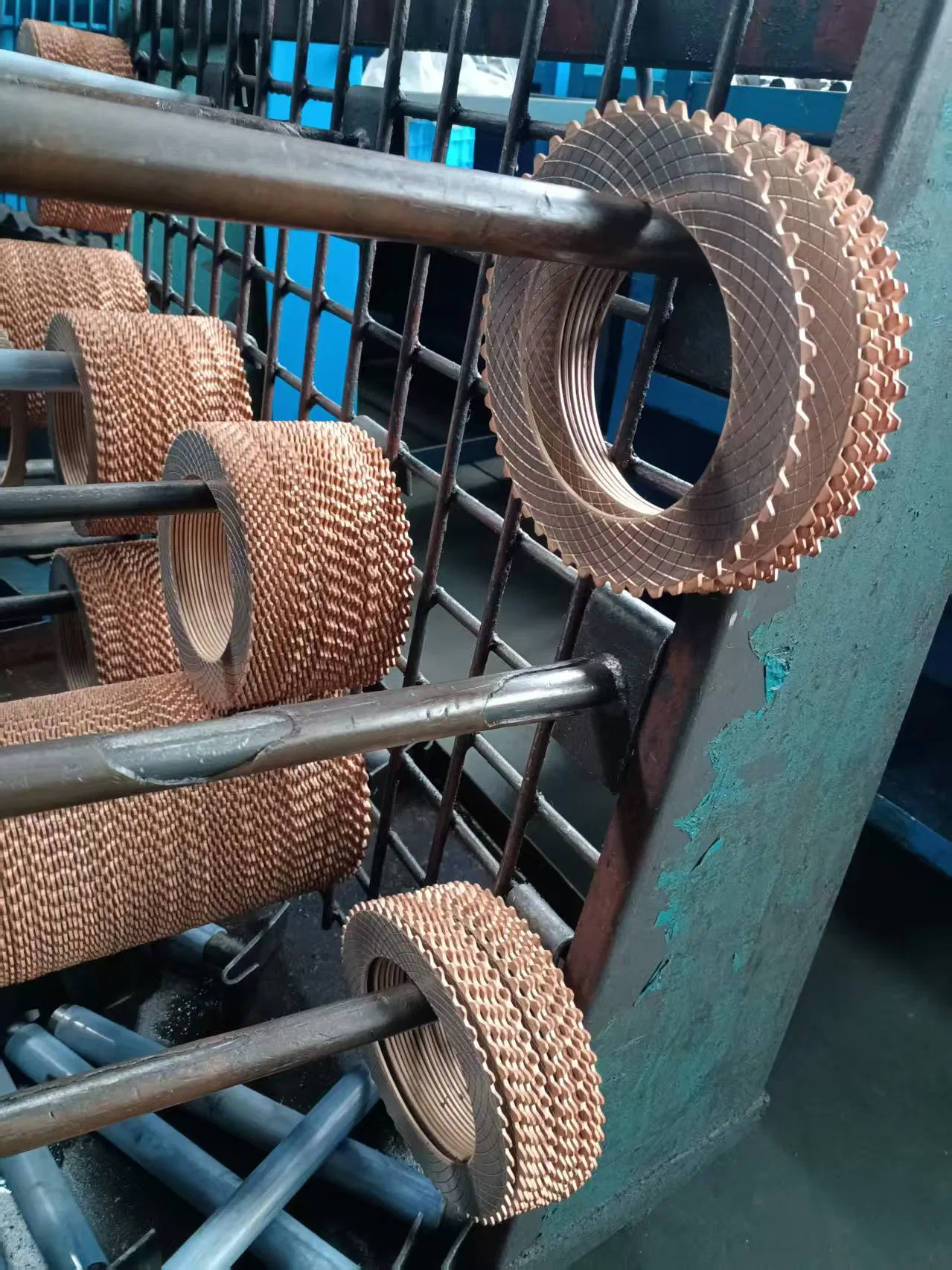
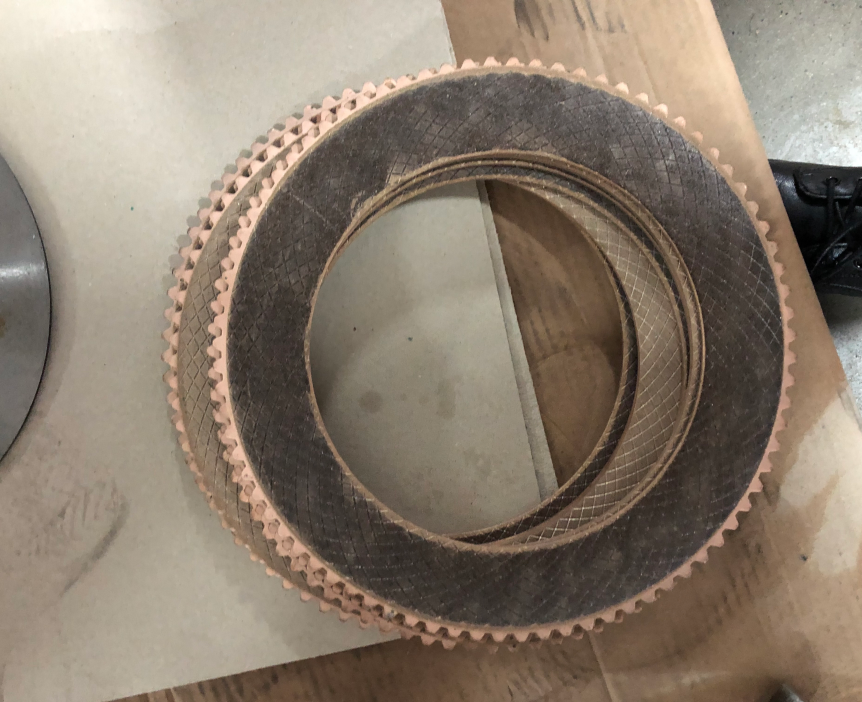
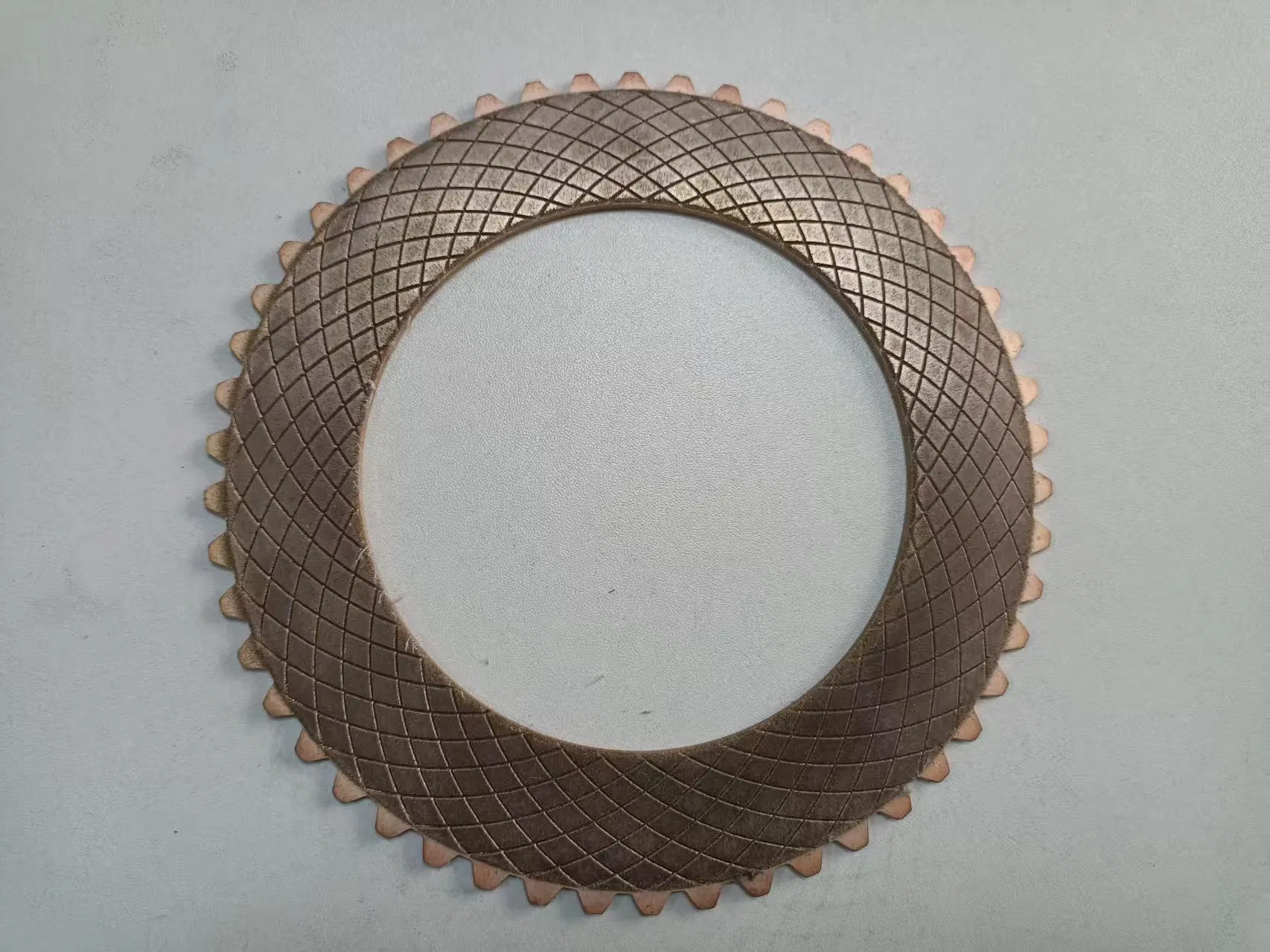
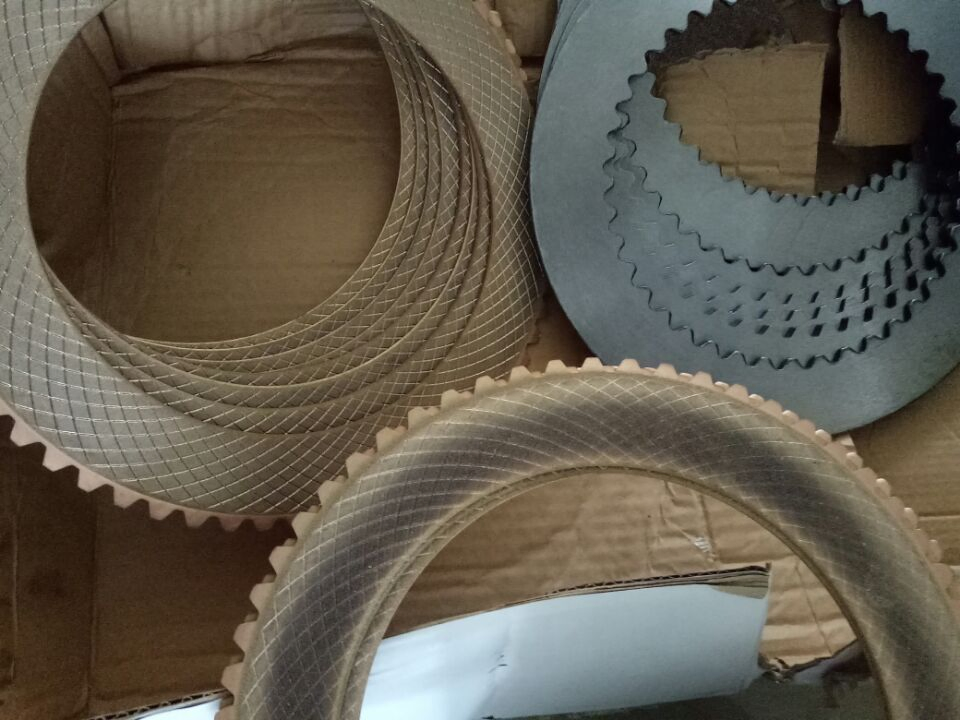
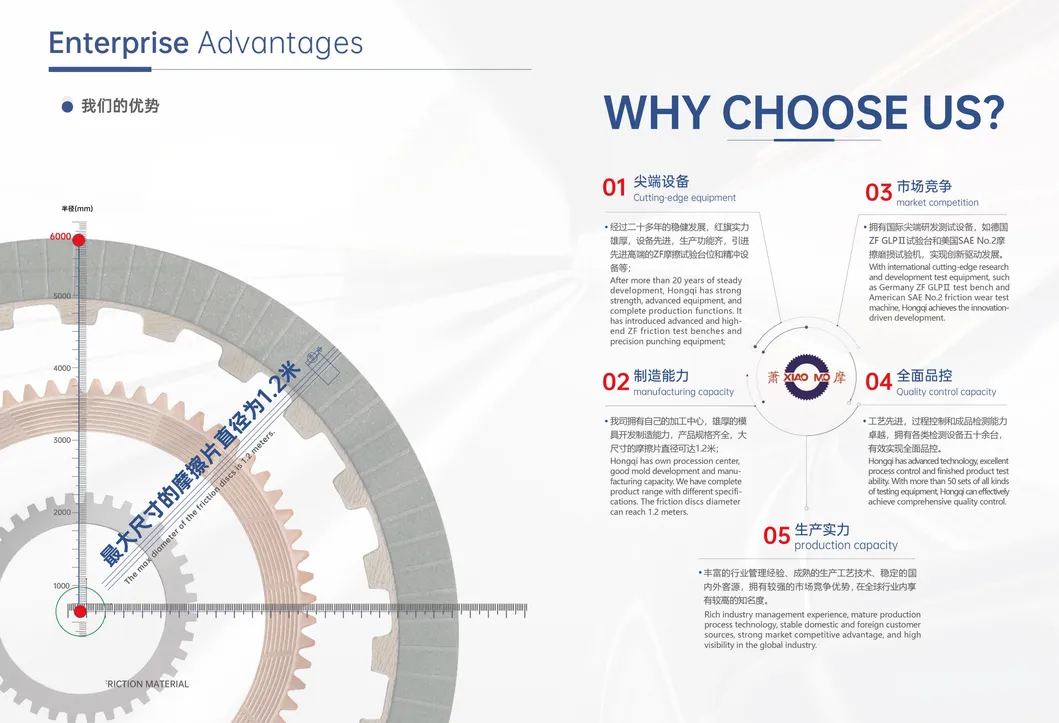
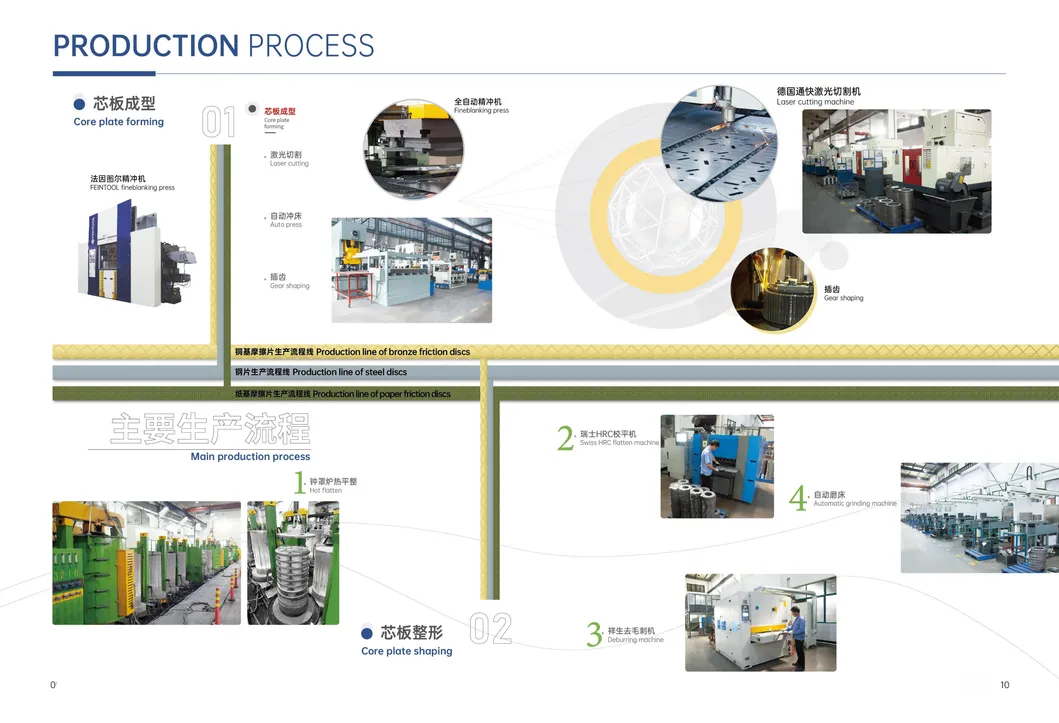
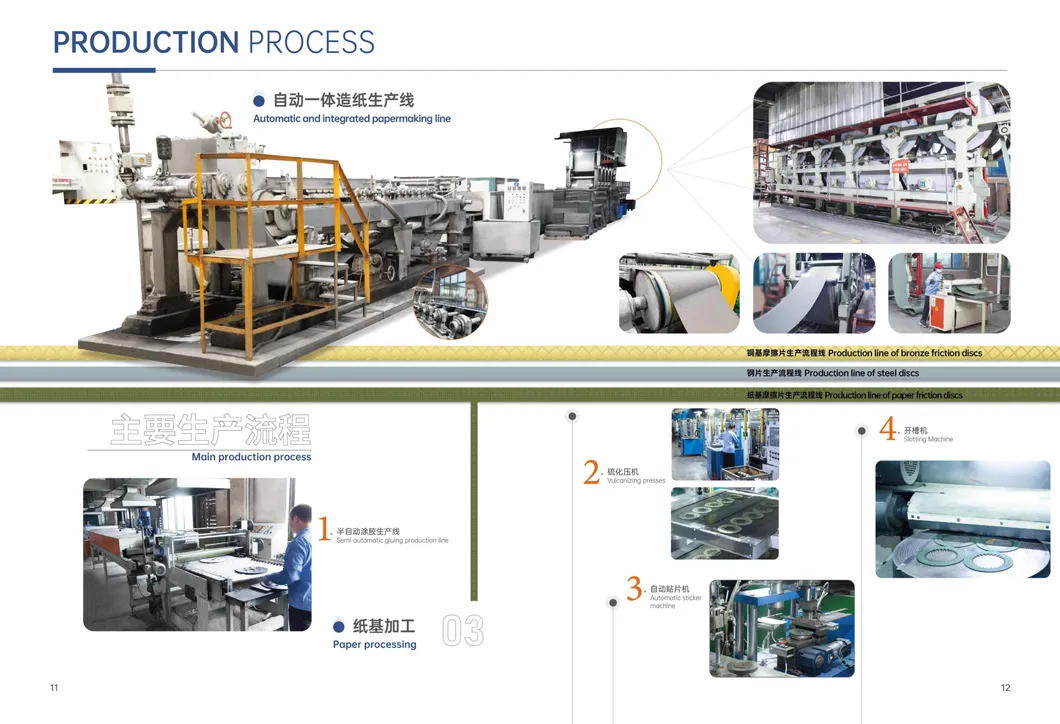
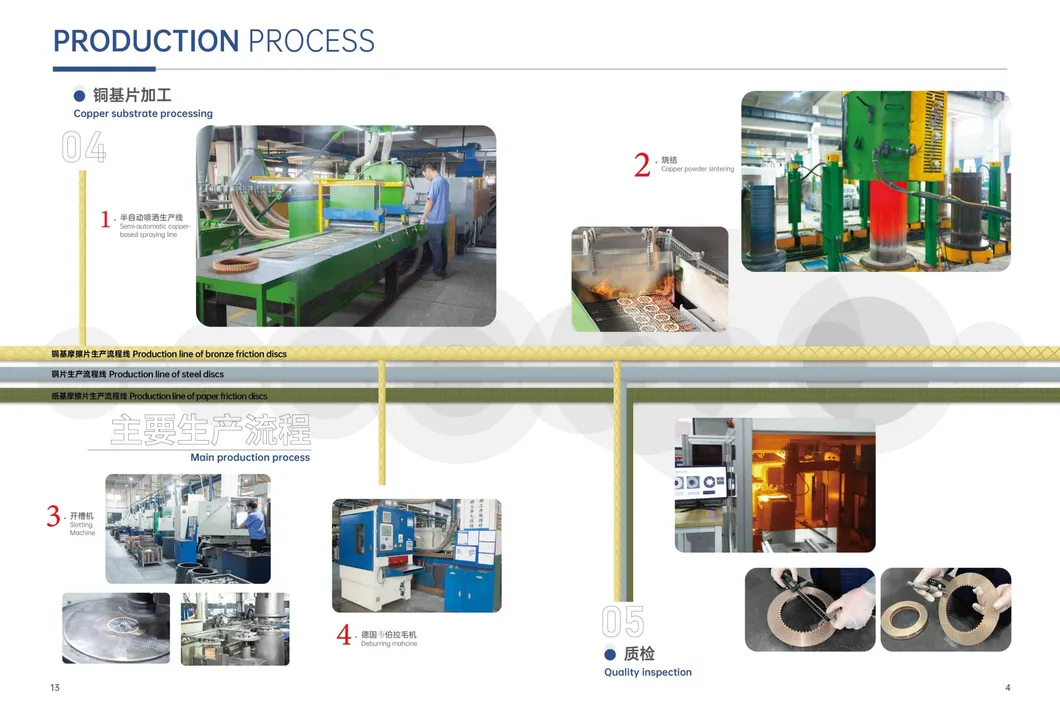
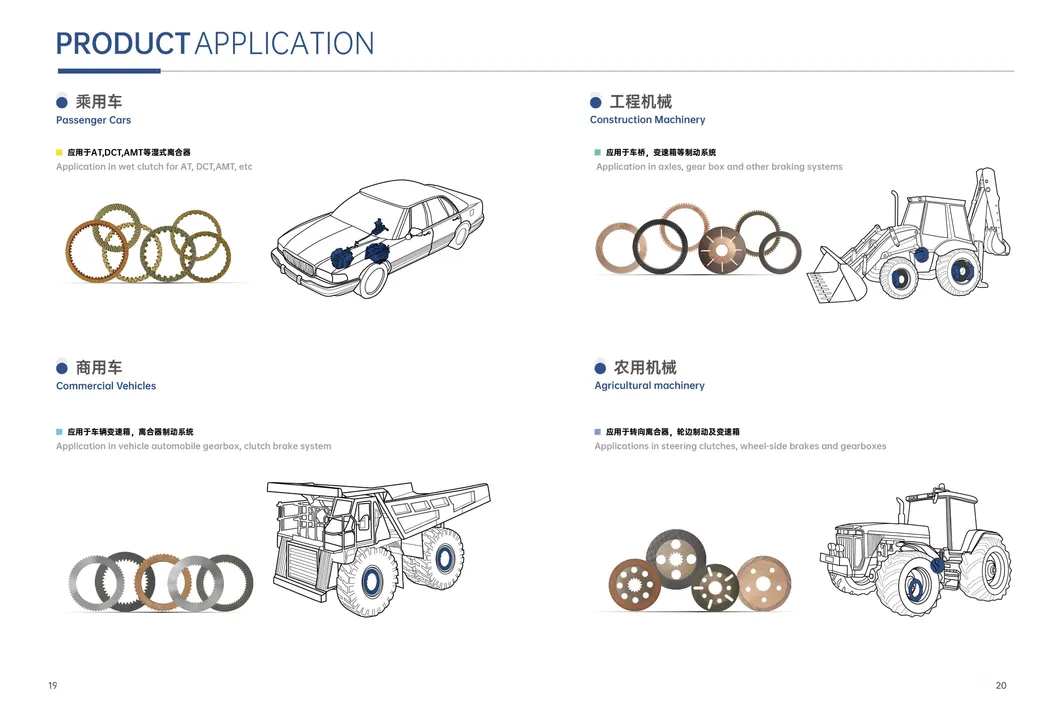
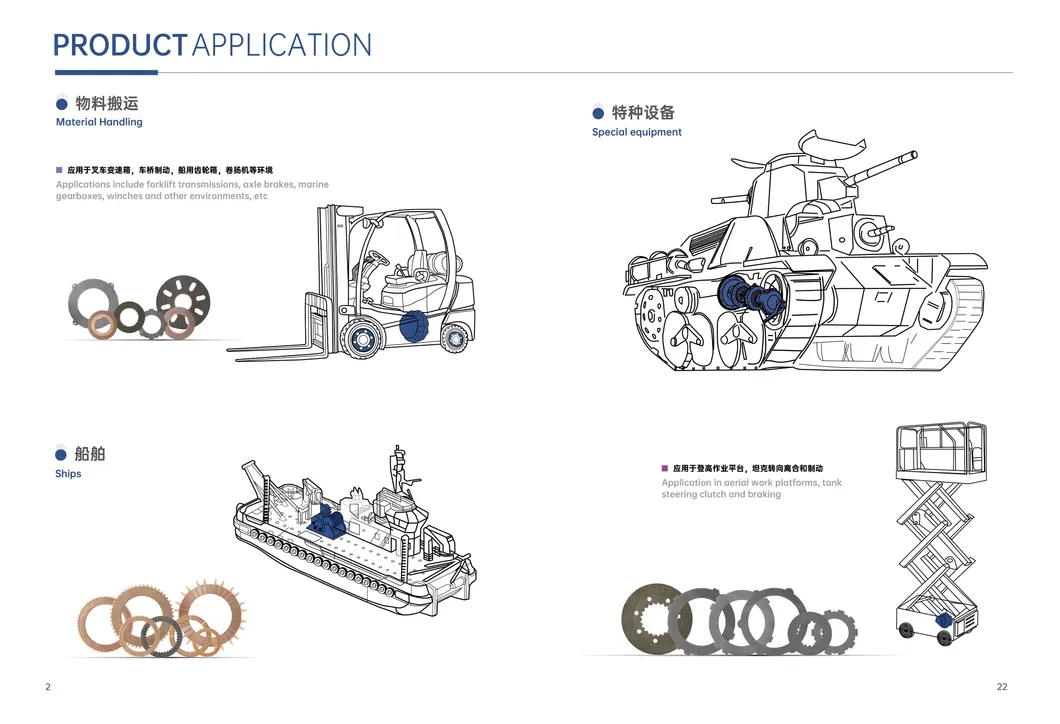
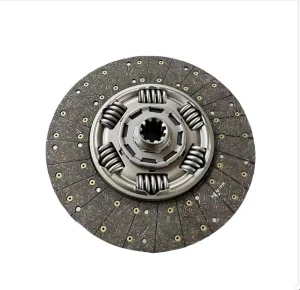
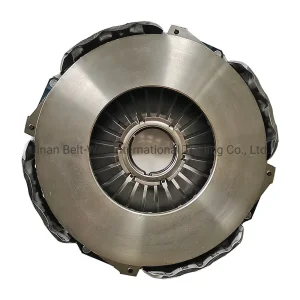
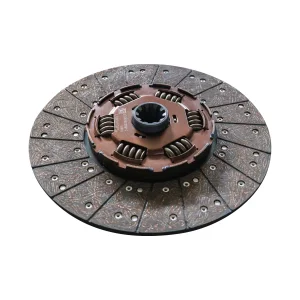
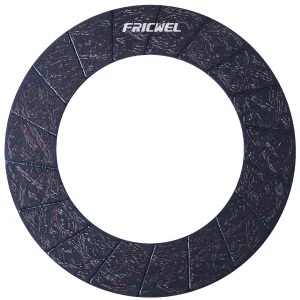
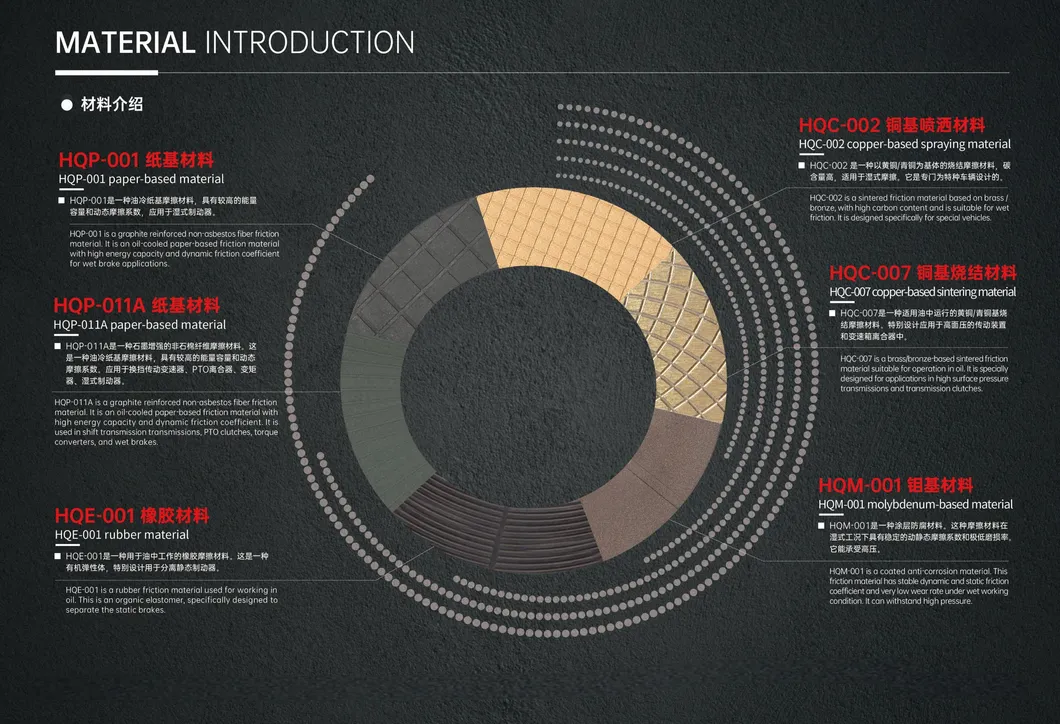
We excel in the sophisticated manufacture of top-tier friction materials, boasting substantial production capabilities for various needs. Our expertise spans the production of copper-based, paper-based, carbon-based, rubber, and molybdenum friction discs, complemented by meticulously crafted steel plates, ensuring unmatched performance.
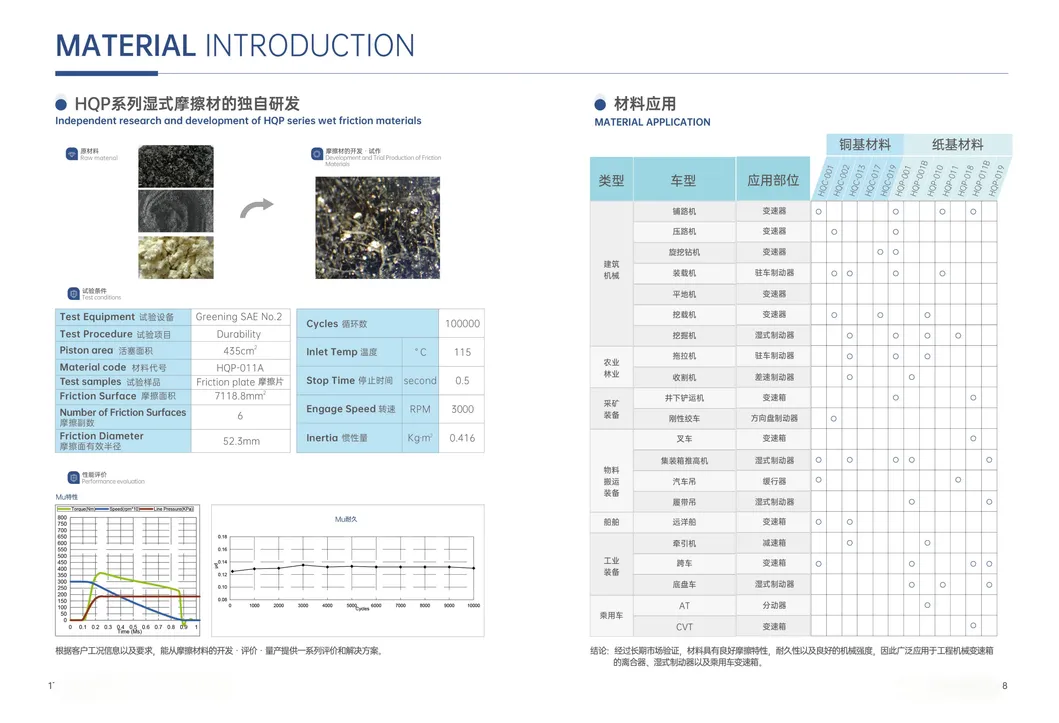
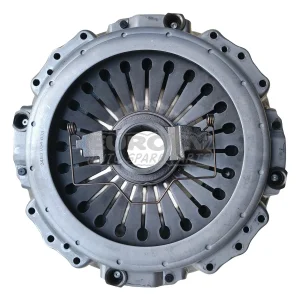
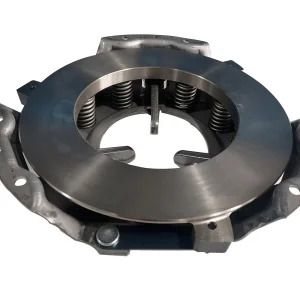
Driven by an unwavering commitment to innovation, our pioneering low-carbon design philosophy ensures our products deliver unparalleled efficiency and longevity. Positioned strategically within the elite global high-end market, we supply essential components tailored for rigorous transmission and braking needs across major industry sectors:
✓Construction & Heavy Duty
✓Agricultural Machinery
✓Automotive Innovation
✓Mining Endurance
✓Shipping & Maritime
✓Specialized Vehicles
From the rigors of heavy-duty braking to the precision of transmission systems, we lay the dependable groundwork that propels industries forward, with safety and sustainability at the forefront.
Q1: What materials are used in your friction discs?
We manufacture discs using copper-based, paper-based, carbon-based, rubber, and molybdenum materials, often paired with high-quality steel plates.
Q2: Which industries are these brake discs suitable for?
Our products are designed for construction, agricultural machinery, automotive, mining, shipping, and specialized industrial vehicles.
Q3: What is the monthly production capacity for these parts?
We have a robust production capability reaching up to 300,000 pieces per month to meet global demand.
Q4: Do the products meet international quality standards?
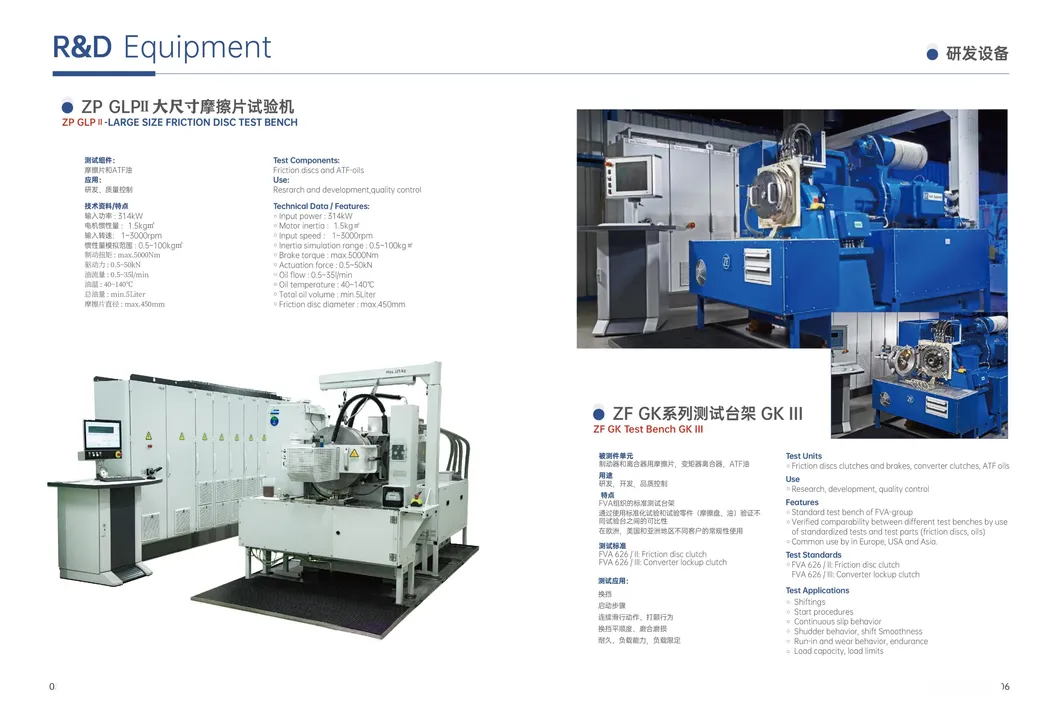
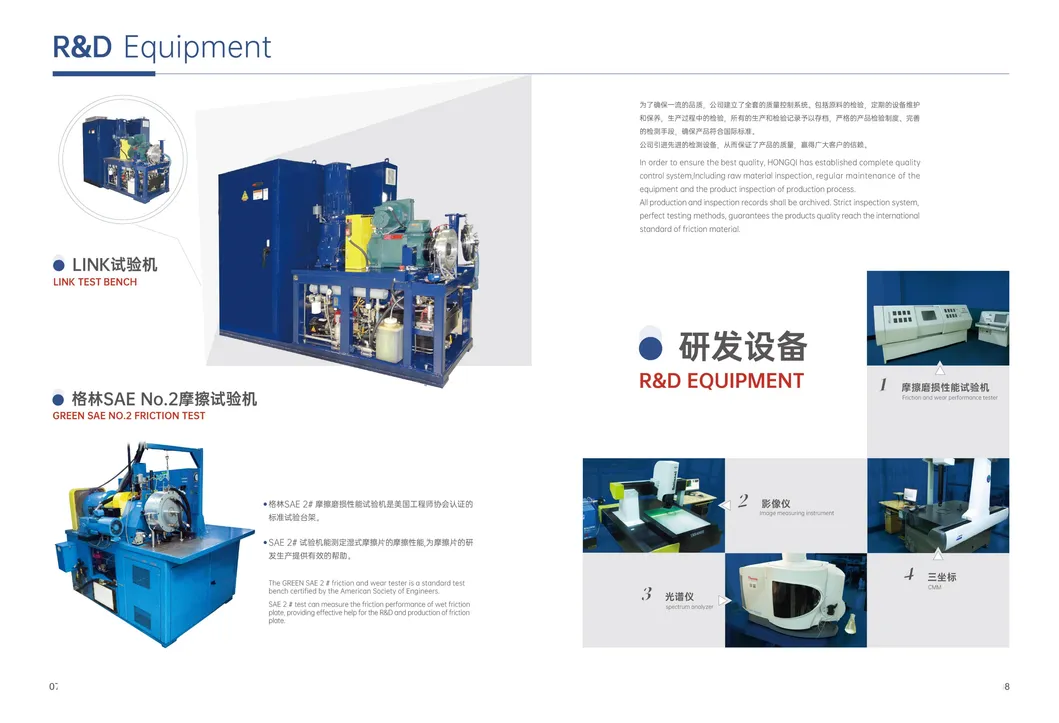
Yes, our manufacturing processes are certified under ISO14001, ensuring environmental and quality excellence.
Q5: What are the thermal properties of these discs?
The discs feature a heat conductivity of 15.6+/-10%W/M° K and a heat capacity of 460+/-10%J/Kg° K for optimal heat dissipation.
Q6: What friction coefficients do these discs provide?
They offer a dynamic friction range of 0.08-0.10 and a static friction range of 0.09-0.11, ensuring stable braking performance.