Engineered specifically to survive the heavy sand corridors and mining routes of Namibia.
Namibia's economy is highly reliant on mining (including uranium at Husab and Rössing, diamonds at the coast, and base metals) and long-haul logistics corridors. The Trans-Kalahari and Trans-Caprivi Highways serve as vital links connecting landlocked Southern African nations to the Port of Walvis Bay. Heavy trucks, dumpers, and off-road machinery operate continuously in extreme desert conditions where ambient temperatures regularly exceed 40°C, and abrasive silica dust is pervasive.
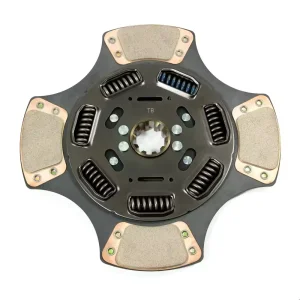
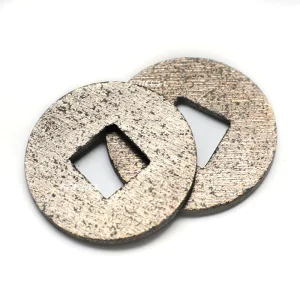
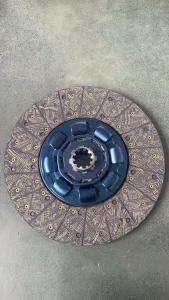
Standard organic clutch linings struggle to cope with these combined thermal and physical stresses, leading to premature glazing, clutch slippage, and costly fleet downtime. Sintered copper-ceramic clutch discs are critical here. Utilizing a composite matrix of copper, iron, silica, and graphite, these ceramic buttons offer a much higher coefficient of friction, high thermal conductivity, and outstanding resistance to fading under severe load transitions.
Unlike organic clutches that degrade at 300°C, our ceramic materials maintain high friction coefficient stability under extreme temperatures.
Specialized hard metallic ceramic matrices prevent grit embedding, maintaining clean contact surfaces across saline coastal zones.
Sintered materials deliver extended wear life, minimizing downtime for heavy haulers traversing the Trans-Kalahari Corridor.
Under the hood of advanced metallurgy and high-performance clutch friction materials.
The global shift towards high-output heavy-duty drivetrains has forced manufacturers to move past standard friction linings. In the global automotive and industrial sectors, ceramic clutch discs (frequently termed button clutches) represent the peak of manual transmission reliability. The formulation typically integrates copper for heat dissipation, iron for structural strength, and ceramic/carbon compounds to maintain friction coefficients even when hot.
Our research and development program focuses on optimizing the friction-temperature curve. Standard industrial clutches display a declining friction trend as temperature climbs (thermal fade). By refining the sintering pressure (up to 300 Tons/cm²) and using premium imported raw materials, our factories ensure a consistent dynamic coefficient of friction ($f_d \approx 0.38 - 0.42$) across a wide temperature window.
The international heavy commercial vehicle (HCV) market is demanding longer clutch maintenance intervals. Regulatory pushes for high-efficiency and high-payload transport configurations mean clutches are subjected to larger clamping forces. The current technical roadmap highlights:
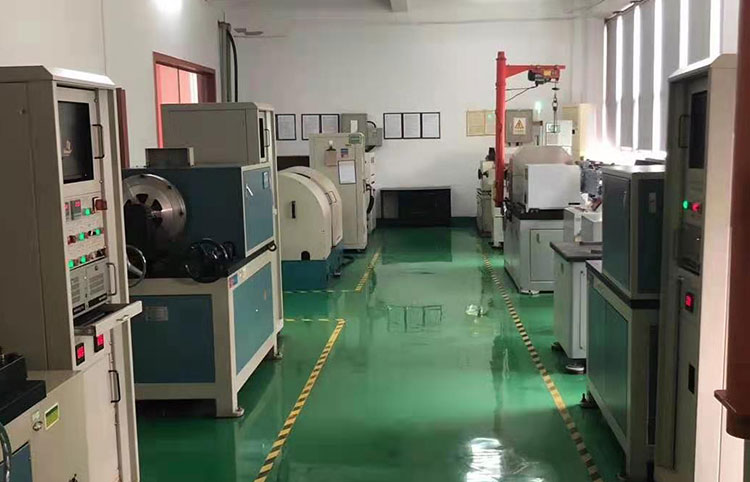
Hebei Galleo Auto Parts Co., Ltd. is a specialized enterprise focused on the high-precision production and management of automobile clutch discs and pressure plates. The company maintains strong technical development resources, sophisticated production lines, and comprehensive testing facilities. By introducing global manufacturing technologies and refining our management methods, our company has established a recognized standard for quality and service in the clutch plate and disc industry.
We operate with a customer-centric philosophy, refining every step of production from raw powder metallurgy to final balanced dyno testing. Our products are exported to over 20 countries and regions worldwide, including Europe, Africa (with key supply partnerships in the Southern African Development Community region), Southeast Asia, and the Middle East.
The critical integration between heavy pressure plates and ceramic button discs.
If you have operated a manual transmission vehicle, you know the clutch pedal manages the connection between the engine and gearbox. The pressure plate and clutch disc assembly play a critical role in transferring and managing engine power. When engaged, the pressure plate exerts clamping force to lock the clutch disc against the flywheel, delivering engine torque straight to the drive shaft. For heavy-duty vehicles in Namibia, proper calibration of the pressure plate cover's clamp force is essential to prevent slippage and premature wear on ceramic buttons.
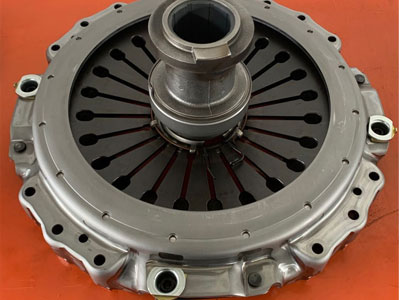
Designed to protect the pressure assembly from grit and moisture. High-quality aluminum cover housing, gaskets included, optimized for Actros and Axor mining fleets.
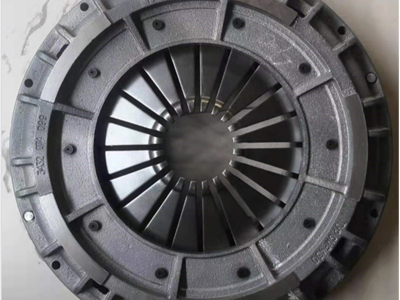
Engineered to deliver high durability and wear performance under heavy structural loads on cross-border transport routes.
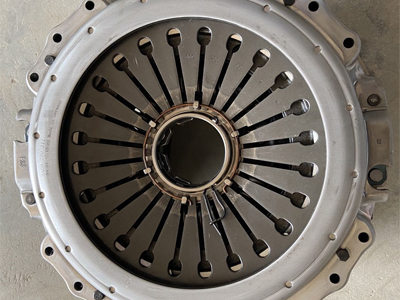
Ensures smooth shifts and reliable engagement/disengagement under demanding long-distance highway hauling operations.
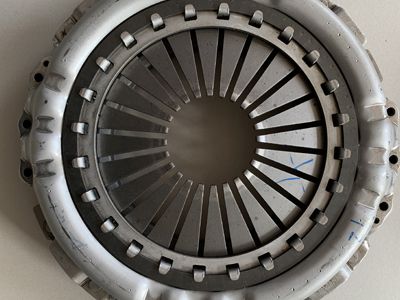
Designed to optimize load distribution across the diaphragm spring, delivering consistent torque transfer and gear shifts.
Detailed technical answers to help fleet operators, parts distributors, and industrial buyers make informed sourcing decisions.
Ceramic clutch discs utilize a sintered mix of metals and ceramic compounds that withstand high temperatures (up to 800°C) without losing coefficient friction. Organic discs can glaze and fail prematurely when subjected to heavy loads, steep descents, and desert sand. The wear resistance and thermal stability of ceramic discs make them ideal for heavy hauling and mining operations in Namibia.
Silica dust acts as an aggressive abrasive in standard clutch assemblies. Sintered copper-ceramic buttons are harder than this dust, helping to sweep contaminants from the disc face without significant wear. This self-cleaning properties prevent the glazing commonly seen on softer organic linings.
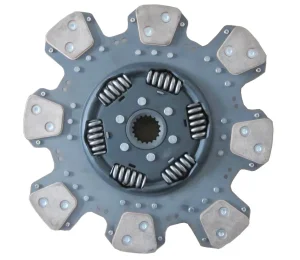
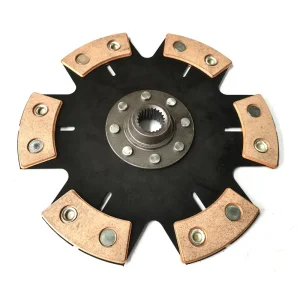
We supply customized disc diameters ranging from 350mm to 430mm, with ceramic button configurations ranging from 4-pad, 6-pad, to 8-pad designs depending on required torque capacity. Our pressure plate designs support clamping loads from 12,000N up to 24,000N to accommodate heavy-duty haulers, mining dump trucks, and agricultural equipment.
Yes, though the aggressive friction profile of ceramic buttons can accelerate wear on standard grey cast iron flywheels. For high-load and commercial transit application, we recommend matching our ceramic discs with high-carbon alloy or billet steel flywheels, which have been induction-hardened to extend service life and improve engagement feel.
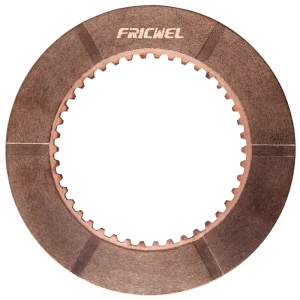
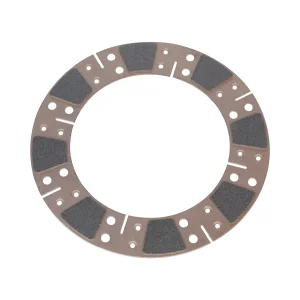
Explore our full line of ceramic components, high-torque configurations, and heavy-duty friction plates.
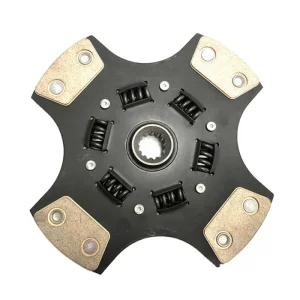
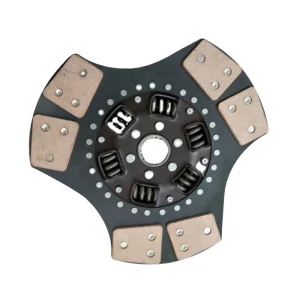
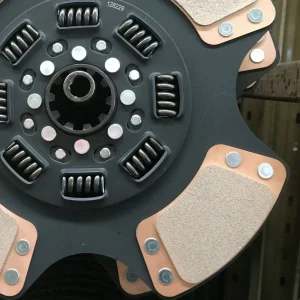
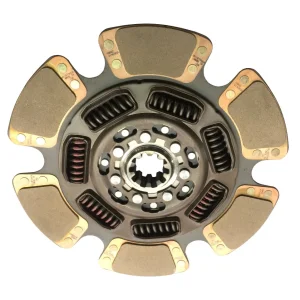
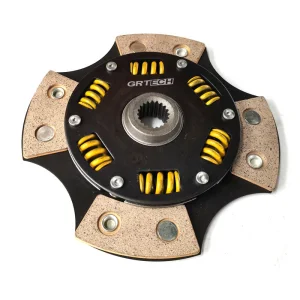
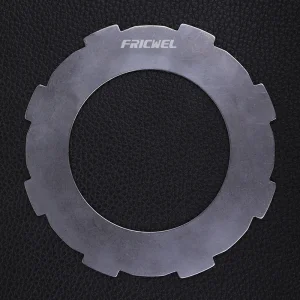
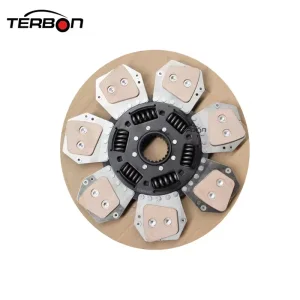
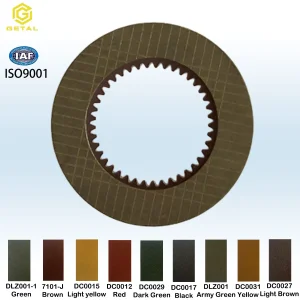
Speak directly with our senior application engineers to customize your ceramic formulations, pad arrangements, and clamp values.
Send Inquiry Now Galleo Auto Parts