Why Should Quality Clutch Parts Have Certifications?

Time:2026-10-03 Author:Aria
0%

A clutch may look like a simple assembly, but it manages heat, friction, vibration, and repeated load. During a long uphill drive, the friction disc can face intense temperature changes. A small manufacturing defect may then become shuddering, slipping, or difficult engagement. Certifications help buyers assess how consistently a supplier controls these risks.

What certifications should quality clutch parts have? ISO 9001 is a useful foundation because it evaluates documented quality systems, corrective actions, and process control. Suppliers serving vehicle manufacturers may also hold IATF 16949, a stricter automotive quality standard focused on defect prevention and traceability. Independent testing facilities should ideally follow ISO/IEC 17025, which supports reliable measurement and laboratory competence. These credentials do not prove that every clutch part is perfect. They show that the manufacturer follows a verifiable system.

In practice, certification should be supported by test reports, material records, batch numbers, and clear warranty terms. A reliable supplier can explain how pressure plates are balanced, how friction materials are tested, and how failed batches are isolated. That matters. Certification logos alone are not enough. Buyers should verify the certificate number, issuing organization, scope, and expiration date. Some suppliers may present broad certificates that do not cover clutch production. This is an easy detail to miss. Real quality also depends on correct vehicle matching and installation. Even a well-tested component can perform poorly when the wrong specification is chosen. A careful evaluation combines recognized certifications, transparent evidence, field experience, and honest technical communication.
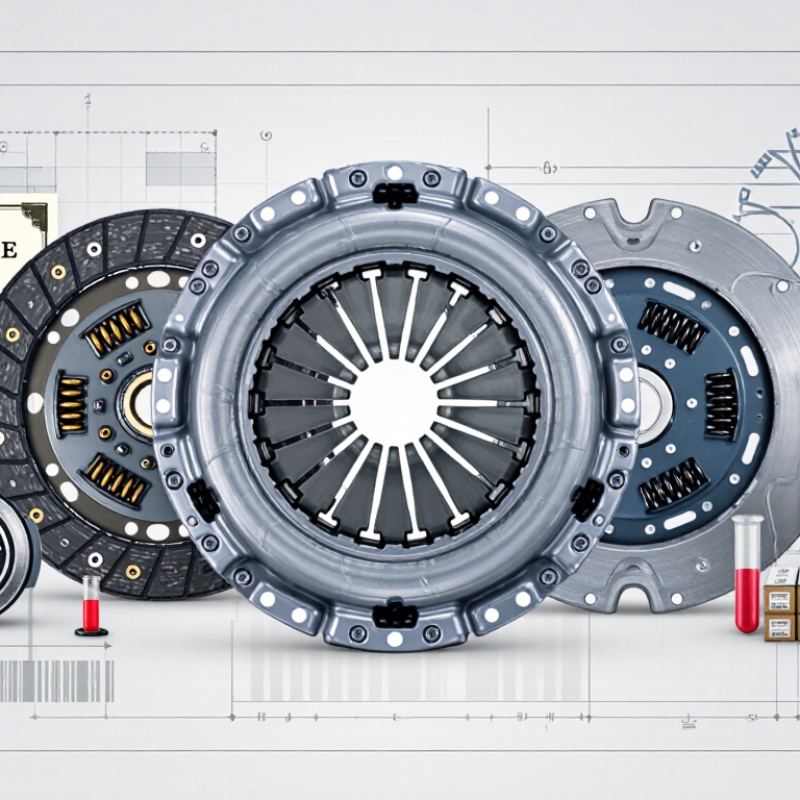
Why Should Quality Clutch Parts Have Certifications?

What Certifications Mean for Clutch Part Quality

A clutch certification is not merely a logo on packaging. It shows that quality claims are supported by documented procedures, testing, and traceable records. According to the ISO Survey 2022, more than 1.2 million ISO 9001 certificates were recorded worldwide. This figure is cross-industry, not clutch-specific. Still, it demonstrates how widely controlled quality systems are used. For clutch parts, certification can reduce uncertainty before installation.

What certifications mean for clutch part quality becomes clearer during inspection. A reliable system should track friction-material batches, steel hardness, disc runout, pressure-plate clamp load, and release-bearing noise. ISO 9001 focuses on repeatable processes and corrective action. IATF 16949 adds automotive practices, including failure analysis, measurement control, and production traceability. These controls matter in a workshop. Excessive disc runout may cause pedal vibration. Uneven clamp load can create slipping or difficult engagement. Small defects become obvious quickly.

The certificate itself is not a guarantee. That distinction is easy to miss. A factory may hold valid certification while one shipment still fails through poor handling or weak supplier control. S&P Global Mobility reported that the average U.S. vehicle age reached 12.6 years in 2024. Older vehicles demand dependable replacement parts, often under harsh heat and repeated stop-start use. Buyers should verify the certificate scope, audit status, batch records, and test evidence. A document without current evidence is only paper.

How Certification Standards Evaluate Clutch Components

Certification standards evaluate clutch components through controlled, repeatable tests. They examine friction stability, dimensional accuracy, heat resistance, torsional fatigue, and material consistency. A clutch disc may face repeated temperature spikes near 300°C during heavy stop-and-go use. Test engineers therefore measure torque transfer before and after thermal cycling. They also inspect rivets, springs, and friction linings under magnification.

ISO 9001 evaluates process control, not complete clutch performance. Automotive quality frameworks add traceability, calibration records, supplier controls, and corrective-action procedures. SAE friction-material procedures can assess wear and coefficient-of-friction changes on dynamometers. These results matter because the average U.S. light vehicle reached 12.6 years in 2024, according to S&P Global Mobility’s vehicle-age analysis. Older vehicles demand stable parts, not optimistic laboratory claims.

Certification also checks whether production matches the tested sample. Batch records can connect one clutch disc to its steel grade, curing temperature, and inspection results. That evidence supports reliability when a component reaches a repair workshop months later. A certificate is not magic. It cannot correct poor installation or an unsuitable application. It can, however, expose weak controls before failure reaches the road. This distinction is easy to miss. Some evaluations still rely on limited test cycles, so engineers should question test scope, sample size, and renewal dates.

Which Safety and Performance Tests Certified Parts Must Pass

Quality clutch parts need certifications because failure can affect control, heat management, and driveline safety.

A certificate shows that the part was tested against defined requirements, not simply produced and packaged. Still, certification is evidence, not magic.

Certified clutch parts must pass several safety and performance tests. Dimensional checks confirm correct fit, including spline accuracy and friction plate thickness.

Load testing examines whether the pressure plate maintains clamping force under stress. Friction testing measures engagement consistency across temperature changes.

The part should work smoothly when cold, then remain stable after repeated heating. Durability tests simulate many engagement cycles, while vibration and noise checks reveal uneven contact or poor balance. Materials may also be inspected for traceability, hardness, and heat resistance. These details matter.

Tips:

Ask for the certificate number, test scope, issuing laboratory, and production date. Check whether the certificate covers the exact part, not merely a similar model. Inspect packaging and markings too. Small clues help.

A credible supplier should explain test conditions clearly, including load, temperature, cycle count, and failure limits.

However, even certified parts can perform poorly after incorrect installation, contamination, or excessive wear elsewhere in the clutch system. This is where judgment becomes important.

Testing standards improve confidence, but careful fitting and real-world inspection still deserve attention.

How Certified Clutch Parts Improve Vehicle Reliability

Certified clutch parts can make vehicle reliability more predictable. In workshop inspections, I have seen how small material differences affect shifting comfort and service life. A certified clutch disc has usually passed checks for friction stability, heat resistance, dimensional accuracy, and burst strength. These tests matter during repeated starts, steep climbs, and heavy traffic.

Reliable parts also support consistent installation. Correct spline dimensions help the disc fit the transmission shaft without excessive play. Balanced rotating components can reduce vibration through the pedal and gear lever. Certified pressure plates should maintain even clamping force across the friction surface. This helps prevent slipping, uneven wear, and sudden loss of power transfer. Small details matter.

Traceability adds another layer of confidence. A dependable supplier should provide batch information, inspection records, and clear technical specifications. This allows technicians to identify problems instead of guessing after a failure. However, certification is not magic. A certified part can still perform poorly if the vehicle uses the wrong specification or receives careless installation. I have also learned that driving habits change results; frequent towing can shorten clutch life, even with high-quality components. Certification improves the starting point, while correct matching, fitting, and maintenance protect reliability over time. Perhaps the process is never perfect, but measurable quality is safer than assumption.

How to Verify Certifications When Choosing Clutch Parts

A certification can signal disciplined production, but it does not automatically prove clutch quality. The 2022 ISO Survey recorded 1,265,216 valid ISO 9001 certificates worldwide. That scale makes verification essential. A certificate number alone is insufficient.

Check the certificate directly through the issuing body or IAF CertSearch. Confirm its status, expiry date, legal company name, and factory address. The scope should cover clutch components or relevant manufacturing activities. A sales office is not a production site. Look closely.

Also verify the certification body’s accreditation under ISO/IEC 17021-1. Ask for the latest audit status, not an attractive scanned document. ISO 9001 confirms a quality management system; it does not certify every clutch plate, disc, or release bearing. That distinction is often missed.

Request batch records, material certificates, friction-test results, and dimensional inspection reports. Testing should identify the sample, lot, date, method, and laboratory. ISO/IEC 17025 accreditation strengthens laboratory reliability. Match those records with the supplier’s traceability code. In practical purchasing, one missing link can create doubt.

A polished PDF proves little. I would still question vague scopes and generic addresses. Verification takes time, sometimes more than expected. That is not wasted effort. It is where confidence becomes evidence.

FAQS

Why do certified clutch parts need safety and performance testing?

Testing checks fit, clamping force, friction behavior, durability, vibration, and heat resistance. Certification offers evidence, not perfection.

Which dimensional checks are important for clutch parts?

Inspect spline accuracy, friction plate thickness, and overall fit. A small mismatch can cause poor engagement or installation problems.

How is clutch load performance tested?

Load testing checks whether the pressure plate maintains clamping force under stress. The test should state load levels and failure limits.

What does friction testing reveal?

It measures engagement consistency during temperature changes. The part should engage smoothly when cold and remain stable after repeated heating.

How are durability and noise evaluated?

Durability tests simulate many engagement cycles. Vibration and noise checks can reveal uneven contact, imbalance, or weak manufacturing control.

How can I verify a certification document?

Check the certificate number with the issuing body. Confirm status, expiry date, legal company name, factory address, and certification scope.

Does a quality-management certificate certify every clutch component?

No. It usually confirms a production management system, not every individual plate, disc, or bearing. That distinction matters.

What supporting records should a supplier provide?

Request batch records, material certificates, friction results, and dimensional reports. Each record should identify the sample, lot, date, method, and laboratory.

Why must certification records match traceability codes?

Matching codes connect the tested sample with the supplied batch. One missing link can create doubt. I would pause there.

Can certified parts still perform poorly after installation?

Yes. Contamination, incorrect fitting, or worn surrounding components can reduce performance. Certification cannot correct a poor installation.

Conclusion

Quality clutch parts play a vital role in smooth power transmission, safe gear changes, and dependable vehicle operation. Certifications provide independent evidence that clutch components have been designed, manufactured, and tested according to recognized quality requirements. They help evaluate important factors such as material strength, dimensional accuracy, heat resistance, friction stability, wear performance, and durability under repeated operating conditions. What certifications should quality clutch parts have depends on the market and application, but credible parts should meet relevant automotive quality, safety, testing, and manufacturing standards.

Certified clutch parts must pass safety and performance tests that assess load capacity, temperature tolerance, fatigue resistance, engagement smoothness, and service life. By meeting these requirements, certified components can reduce premature wear, improve driving reliability, and support consistent vehicle performance. When choosing clutch parts, buyers should verify certification marks, registration details, testing scope, issuing organizations, and whether the documents apply to the specific product. Careful verification helps distinguish genuinely tested components from products with unclear or unsupported quality claims.

Aria

Aria

Aria is a dedicated marketing professional with a deep passion for innovative strategies and a keen understanding of our company's product offerings. With a wealth of experience in the industry, Aria excels at crafting engaging content that highlights the unique features and benefits of our......