Why Does My Clutch Wear Out During Daily Driving?

Time:2026-09-18 Author:Sophia
0%

A clutch can wear out during ordinary commuting, even when the vehicle never sees a racetrack. Every launch, hill start, traffic crawl, and parking maneuver creates friction between the clutch disc and flywheel. That friction produces heat. Repeated slipping gradually removes the disc’s friction material and weakens the pressure plate.

Automotive technician and educator EricTheCarGuy explains, “The more you slip the clutch, the more heat and wear you create.” His point is simple, but many drivers overlook it. Resting a foot on the clutch pedal can apply slight pressure without obvious movement. Holding the car on a hill with clutch slip feels convenient. It is not harmless. That heat adds up.

This guide examines How to reduce clutch wear during daily driving through practical driving changes. Smoothly release the pedal after finding the engagement point. Avoid holding the vehicle with the clutch in slow traffic. Use the handbrake during steep hill starts. Select neutral when waiting at long red lights. Let the engine idle instead of balancing the car with pedal pressure.

However, perfect technique is not always possible. Heavy congestion can make careful driving frustrating. Some drivers may still smell a faint burnt odor after difficult maneuvers. That warning deserves attention, not dismissal. A high bite point, shuddering launch, slipping under acceleration, or unusual noise may indicate mechanical wear. These symptoms require inspection from a qualified technician.

Daily clutch care is less about driving slowly. It is about reducing unnecessary heat, pressure, and hesitation. Small habits matter. Some of mine did, too.
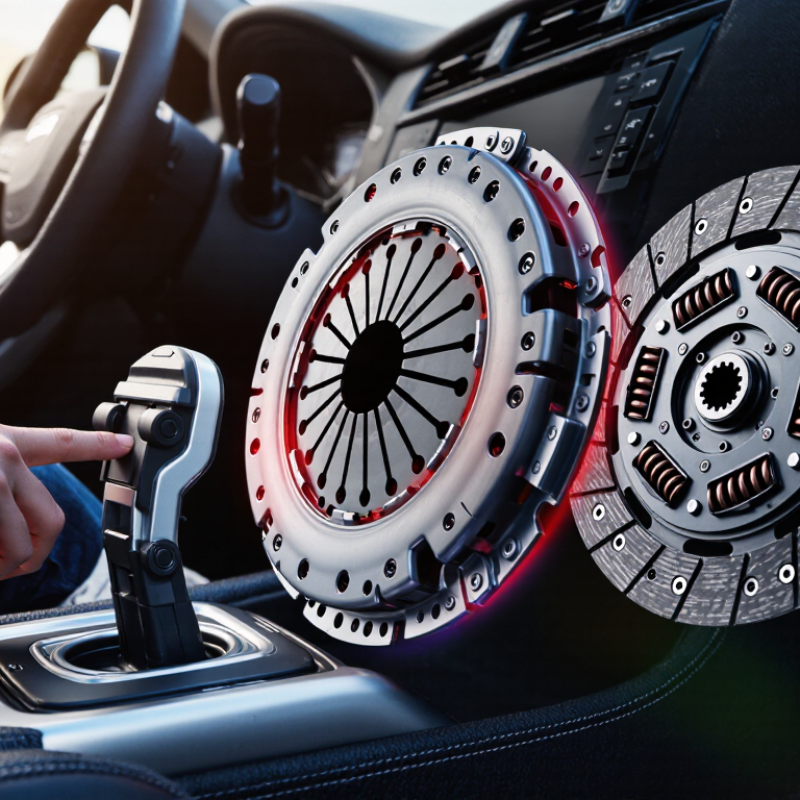
Why Does My Clutch Wear Out During Daily Driving?

How a Clutch Works During Everyday Driving

During everyday driving, the clutch connects the engine to the transmission through controlled friction. Its friction disc sits between the flywheel and pressure plate. When the pedal is released, the pressure plate clamps the disc firmly. Engine power then reaches the wheels.

Press the pedal, and the release bearing moves the pressure plate away. This separates the disc briefly, allowing a smooth gear change. The slipping stage matters most. During takeoff, the disc rubs against the spinning flywheel and heats up. A slight bite is normal.

Stop-and-go traffic creates repeated heat cycles. Holding the car on a hill with the clutch can make the disc slip continuously. Resting a foot on the pedal may also keep light pressure on the release mechanism. I have seen drivers develop this habit without noticing. It feels harmless.

A healthy clutch engages progressively, without shuddering, burning smells, or sudden engine speed changes. However, these signs can also involve hydraulic faults, engine problems, or worn transmission parts. A proper inspection checks pedal travel, fluid condition, leakage, and clutch adjustment before blaming the friction disc. Some diagnosis is easy to overstate. Careful testing matters.

Which Driving Habits Accelerate Clutch Wear

Daily driving rarely destroys a clutch in one dramatic moment. More often, small slips gradually remove friction material. The most damaging habit is resting your foot on the clutch pedal. Even light pressure can partially release the clutch and create heat. Keep your foot on the dead pedal instead. It feels minor, but repeated pressure during a long commute matters.

Holding the car on a hill with the clutch is another common mistake. The engine may sound calm, while the clutch surface becomes extremely hot. Use the brake and engage the clutch smoothly when moving. Quick launches, especially with high engine speed, also create unnecessary slipping. In heavy traffic, leave more space ahead when possible. This reduces constant clutch-in, clutch-out movement.

I learned this the hard way.

I once stayed at the bite point while waiting at a crowded junction. The smell appeared later, and the pedal engagement felt different. That experience was not a perfect diagnosis, but it showed how quickly heat can build. A trained technician should inspect symptoms such as shuddering, slipping under acceleration, or a rising bite point. Driving style, vehicle load, hill gradients, and maintenance condition all affect clutch life. Avoiding every slip is unrealistic; controlled, brief engagement is normal. Prolonged slipping is the habit worth changing.

How Traffic, Hills, and Heavy Loads Affect Clutch Life

Why Does My Clutch Wear Out During Daily Driving?

How Traffic, Hills, and Heavy Loads Affect Clutch Life

Daily traffic can shorten clutch life through repeated slipping. In stop-and-go queues, drivers often hold the pedal halfway while creeping forward. This creates heat between the friction surfaces. A hot, sharp smell may appear after a long commute. That warning should not be ignored.

Hills add even more stress. Holding the vehicle with clutch slip instead of the brake keeps the disc working continuously. On a steep road, the engine may rev while the vehicle moves slowly. That mismatch can glaze the friction material and reduce grip. Use the parking brake when starting uphill, then release it smoothly as the clutch engages. It takes practice.

Heavy loads increase the effort required to move the vehicle. Extra passengers, tools, or a loaded trailer demand more torque during takeoff. Repeated starts under these conditions can accelerate wear, especially with low engine speed and high throttle. Keep the clutch fully released once moving. Avoid resting your foot on the pedal.

A useful check is simple. Note whether engagement feels higher than before, or whether the engine speed rises without matching acceleration. These signs can also involve hydraulic faults or adjustment problems, so diagnosis should not rely on symptoms alone. A qualified technician can inspect pedal travel, fluid condition, leaks, and clutch movement. It is easy to blame traffic for everything. Sometimes, driving habits are only part of the problem.

Why Does My Clutch Wear Out During Daily Driving?

Traffic, hills, and heavy loads increase clutch slip, heat, and friction. This comparative index shows how different driving conditions can increase clutch-wear stress relative to steady-speed highway driving.

The index uses steady highway driving as a baseline of 20. Stop-and-go traffic creates repeated clutch engagement, hills require more torque and slipping, and heavy loads increase drivetrain demand. The values are comparative indicators, not a guaranteed prediction of clutch mileage.

How to Identify the Early Signs of Clutch Wear

Why Does My Clutch Wear Out During Daily Driving?

How to Identify the Early Signs of Clutch Wear

Daily traffic can wear a clutch faster than open-road driving. Repeated starts, crawling queues, and hill holding create extra friction. Resting your foot on the pedal also keeps the release mechanism partly engaged. That small habit matters over thousands of miles.

The earliest warning is often engine speed rising without matching acceleration. The engine sounds busy, but the vehicle gains speed slowly. Test this only in a safe, legal location. Select a higher gear at low speed and accelerate gently. If the revs jump while road speed barely changes, clutch slip is possible. A burning-paper smell after traffic is another warning sign. Do not ignore it.

A high bite point can indicate wear, but it is not proof. Hydraulic problems or incorrect adjustment may create similar symptoms. Notice whether engagement feels sudden, shudders, or changes from one drive to the next. A soft, sinking, or unusually heavy pedal deserves inspection. So does fluid loss near the transmission or pedal area. Small details help.

Driving style provides useful clues. Holding the car on a slope with the clutch creates heat. Use the brake instead, then release the clutch smoothly. Carrying heavy loads can expose a weak clutch sooner. I would avoid repeated “testing” because it can increase damage. A qualified technician should check the clutch, hydraulics, and flywheel together. Replacing one part without finding the cause can become an expensive mistake.

How to Reduce Clutch Wear and Extend Its Service Life

Daily driving can wear a clutch faster than many drivers expect.

Stop-and-go traffic, steep parking ramps, and frequent hill starts create repeated friction and heat. Holding the car with partial clutch engagement is especially harmful. The engine may sound calm, but the clutch lining is slipping against the flywheel.

Use the clutch pedal fully and release it smoothly. Avoid resting your foot on the pedal, even lightly. That small pressure can reduce clamping force and cause unnecessary slipping.

At traffic lights, select neutral and release the pedal instead of holding it down. On hills, use the parking brake to prevent rollback. It takes practice.

Keep heavy loads within the vehicle’s rated capacity.

Extra weight makes every launch harder. A well-maintained engine also helps because poor idling or delayed throttle response can cause rough engagement. Have a qualified technician inspect hydraulic fluid, pedal travel, leaks, and adjustment issues during scheduled service.

Do not ignore a burning smell, rising engine speed without matching acceleration, or shuddering during takeoff.

I used to release the pedal too quickly in crowded streets. It felt efficient, but the car shook and the clutch suffered.

I still catch myself doing it on steep ramps. Patience matters more than speed. Smooth starts preserve clutch material, reduce heat, and may extend service life.

No driving habit prevents normal wear forever.

FAQS

Which driving habit causes clutch wear most often?

Resting your foot on the clutch pedal can create partial engagement and heat. Use the dead pedal instead. It feels harmless.

Why does stop-and-go traffic shorten clutch life?

Repeated creeping creates frequent slipping between friction surfaces. Leave more space ahead when possible. Fewer pedal changes help.

How should I start on a hill?

Use the brake or parking brake to hold the vehicle. Engage the clutch smoothly, then release the brake. Do not balance the car on clutch slip.

Can heavy loads damage the clutch faster?

Extra passengers, tools, or cargo require more effort during takeoff. Repeated loaded starts can increase heat and wear. Keep the clutch fully released after moving.

What is an early sign of clutch slipping?

Engine speed may rise without matching acceleration. The engine sounds busy, but the vehicle moves slowly. Test only in a safe, legal place.

What does a burning smell after traffic mean?

It may indicate excessive clutch heat from prolonged slipping. A sharp smell after a long commute deserves attention. It is not proof by itself.

Does a high bite point always mean clutch failure?

No. Wear can cause a higher engagement point, but hydraulic faults or adjustment issues may feel similar. Diagnosis needs inspection.

Should I repeatedly test a suspected clutch problem?

Repeated testing can create more heat and damage. Notice shuddering, slipping, pedal changes, or fluid loss. Then seek qualified inspection.

Can normal clutch slipping be avoided completely?

No. Brief, controlled engagement is normal during smooth starts. Prolonged slipping is the habit worth changing. I learned that late.

What should a technician inspect?

The clutch, hydraulic system, pedal travel, fluid condition, leaks, and flywheel should be checked together. One replacement may miss the real cause.

Conclusion

A clutch wears out during daily driving because it repeatedly manages the transfer of engine power to the wheels. Normal engagement causes friction, but habits such as riding the clutch pedal, resting a foot on it, slipping the clutch for too long, or accelerating aggressively during takeoff can increase heat and surface wear. Frequent stop-and-go traffic, steep hills, heavy loads, and towing place additional strain on the clutch, especially when the vehicle is held in place with the clutch instead of the brake.

Early warning signs may include slipping during acceleration, difficulty shifting, unusual noises, vibration, a burning smell, or a clutch pedal that feels different. Learning how to reduce clutch wear during daily driving can significantly extend service life. Drivers should release the pedal fully after shifting, use the brake to hold the vehicle on inclines, avoid unnecessary high engine speeds, and select suitable gears for traffic and road conditions. Regular inspections can also identify problems before they lead to expensive repairs.

Sophia

Sophia

Sophia is a dedicated marketing professional with an exceptional depth of knowledge about her company's products and services. With a keen understanding of market trends and customer needs, she crafts insightful blog posts that not only inform but also engage readers, enriching the company’s online......