When considering what materials are best for clutch friction parts, industry expert Dr. James Carter emphasizes the importance of material selection. He states, "The right material can greatly enhance clutch performance and longevity." Different materials offer varying levels of friction, durability, and heat resistance, impacting the overall effectiveness of the clutch system.
Most manufacturers rely on a mix of organic, ceramic, and metallic materials. Each type brings unique properties to the table. Organic materials tend to provide good performance at lower temperatures. In contrast, ceramic materials stand out for their heat resistance and durability. However, they can sometimes feel aggressive during engagement. Metallic friction materials, while robust, may require more frequent maintenance.
The choice of the right friction material is often complex. It requires a balance between performance and wear characteristics. Factors like vehicle type and driving style also play crucial roles. Experts continue to debate the optimal materials, highlighting that there is no one-size-fits-all solution. Reflecting on this diversity can lead to more informed decisions in the industry.
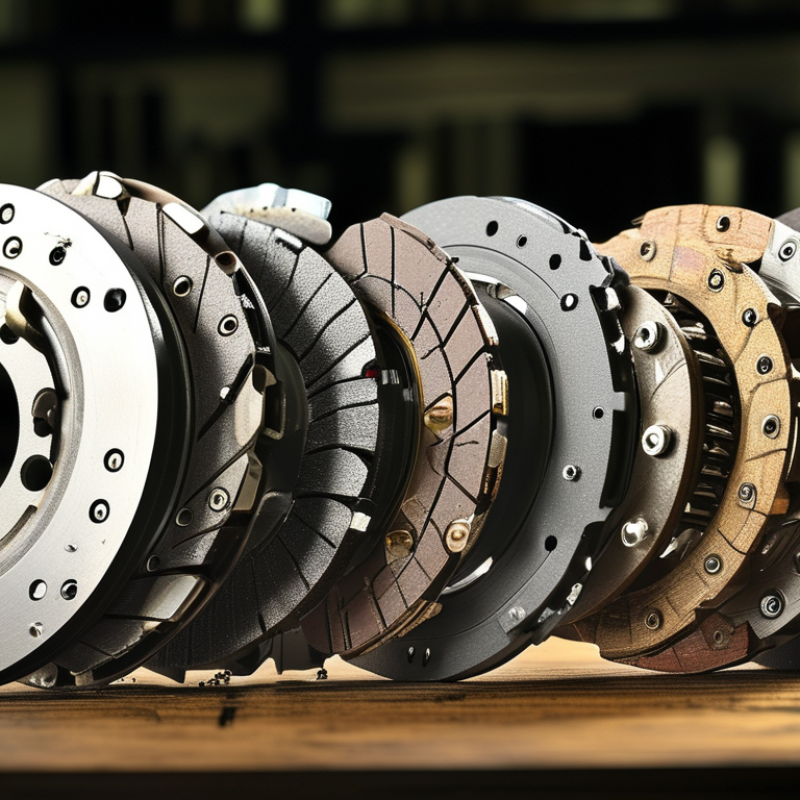
Overview of Clutch Friction Parts and Their Importance
Clutch friction parts are vital for vehicle performance. They enable smooth gear transitions, which affects overall drivability. These parts work under immense pressure and friction.
As a result, their material composition significantly influences their durability and efficiency.
Quality materials offer better heat resistance and less wear. Commonly used materials include organic compounds, ceramics, and metals. Each of these has unique strengths and weaknesses.
For instance, while organic materials provide good grip, they may wear out faster under high-stress conditions. On the other hand, ceramic materials deliver excellent heat dissipation but can be more expensive.
Choosing the right material is crucial for maintaining vehicle reliability. Mechanics often face challenges in selecting components that balance performance and lifespan.
This requires deep knowledge and experience in the automotive field. Regular maintenance and inspections help identify potential issues early. A well-made clutch system can enhance driving pleasure and vehicle longevity.
Ignoring the importance of quality components can lead to costly repairs down the line.
Key Properties of Ideal Clutch Friction Materials
When selecting clutch friction materials, key properties are essential for optimal performance. These include high friction stability, heat resistance, and durability. An ideal material should maintain consistent friction under varying conditions. According to a 2022 report by the Society of Automotive Engineers, materials can lose up to 30% efficiency if they cannot handle temperature fluctuations effectively.
Friction materials often exhibit diverse compositions, including organic, metallic, and ceramic elements. Each offers unique properties. For instance, organic materials are known for their low noise and good initial bite but may wear out faster. In contrast, ceramics provide superior heat resistance and longevity. However, they might be pricier and lead to harsher engagement.
Experts emphasize the balance between performance and cost. A 2023 analysis highlighted that while robust materials promise longevity, they can compromise ride quality. Testing these materials is crucial to uncover hidden flaws. Factors like environmental impact and recyclability are increasingly relevant. As industry standards evolve, manufacturers must adapt to meet growing sustainability demands.
Top 5 Materials Used for High-Performance Clutch Friction Parts
High-performance clutch friction parts rely on specific materials. These materials enhance durability and optimize performance. Here are five commonly used materials:
Ceramic is widely recognized for heat resistance. It withstands extreme conditions without losing performance. Ceramic clutches provide excellent friction characteristics. However, they may wear faster in certain applications.
Organic materials are popular due to their versatility. They offer a good balance between performance and cost. These materials can handle moderate heat levels. Yet, they might not perform well under high-stress conditions over time.
Kevlar is an advanced material well-known for its strength. It combines durability with lighter weight. Kevlar clutches can improve performance significantly. That said, they are not suitable for every driving style. Consider your needs before choosing.
When selecting clutch materials, it’s crucial to match them with your driving habits. Understand your vehicle's typical use. A performance-driven driver may prefer ceramic or Kevlar. A casual driver might find organic materials sufficient.
Pay attention to the material's heat dissipation capability. Overheating can lead to premature wear. Evaluate how your driving style affects clutch temperatures. Make informed choices to ensure optimal performance and longevity.
Top 5 Materials for Best Clutch Friction Parts
Comparison of Each Material's Performance and Durability
When selecting materials for clutch friction parts, performance and durability play crucial roles. The most common materials used include organic, ceramic, metallic, and sintered materials. Each material has distinct advantages and weaknesses that affect its applicability.
Organic materials often provide smooth engagement and minimal noise. They have a lower thermal resistance, which may lead to quicker wear under heavy stress conditions. According to a report from the Society of Automotive Engineers, organic materials tend to show a lifespan of around 30,000 miles under normal driving conditions.
Ceramic materials excel in high-performance applications. They offer better heat resistance and durability than organic varieties. However, their cost is significantly higher, which might not justify their use in everyday vehicles. An industry study indicated that ceramic clutches typically last up to 60,000 miles, but their brittle nature can lead to unexpected failures.
Metallic materials are known for their high durability but can cause increased wear on the flywheel. While offering impressive longevity, the harsh engagement characteristics may raise vibration and noise levels. Assessing these trade-offs is vital.
Sintered materials often shine in extreme conditions, providing excellent thermal stability. Yet, reports suggest they might require alternative maintenance routines to ensure optimal performance.
Future Trends in Clutch Friction Material Development
The landscape of clutch friction material development is undergoing significant changes. With the rise of electric vehicles, manufacturers must adapt to new challenges. Traditional materials are not always effective in electric applications. Developers are experimenting with innovative composites, ensuring longevity and performance in demanding conditions.
Researchers are focusing on enhancing the thermal stability of these materials. High temperatures can adversely affect performance. Improved heat resistance allows for better friction stability. However, achieving this balance is tricky. Some materials may perform well under extreme temperatures but lack durability.
Sustainability is another critical trend. Eco-friendly materials are gaining attention. These alternatives often reduce waste and enhance recyclability. Yet, the challenge lies in maintaining performance standards. Finding the right mix of sustainability and performance is a task in progress. As innovations progress, the future of clutch materials looks promising, yet it demands careful consideration.
FAQS
: Clutch friction parts are crucial for smooth gear transitions in vehicles. They enhance overall drivability.
Common materials include organic compounds, ceramics, and metals. Each has unique strengths and weaknesses.
The right material affects durability and performance. Poor choices can lead to costly repairs.
Regular inspections can identify issues early, ensuring better vehicle reliability and longevity.
There is a focus on eco-friendly materials and improved thermal stability for electric vehicles.
Balancing performance with eco-friendliness is difficult. Some sustainable options may not meet high-performance standards.
High temperatures can reduce performance. Materials must withstand heat while maintaining durability.
Yes, organic materials may wear out quickly under high-stress conditions, impacting performance.
Improved heat resistance leads to better friction stability, enhancing overall vehicle performance.
Yes, they are experimenting with innovative composites to meet the demands of electric vehicles.
Conclusion
Clutch friction parts play a crucial role in the effective operation of vehicles, ensuring smooth engagement and disengagement of the transmission. Understanding what materials are best for clutch friction parts is essential for enhancing the performance and durability of these components. Ideal clutch friction materials should possess certain key properties, including high friction coefficient, thermal stability, and resilience to wear and tear.
In the quest for high-performance clutch friction parts, several materials stand out, including organic compounds, metallic materials, ceramic composites, and carbon-based solutions. Each material offers different levels of performance and durability, making it important to compare their properties for specific applications. As technology advances, future trends in developing clutch friction materials will likely focus on improving efficiency, sustainability, and resistance to extreme conditions, shaping the future of automotive performance.

 Galleo Auto Parts