Top 10 Tips to Extend the Life of Clutch Components?

Time:2026-05-07 Author:Madeline
0%

Maintaining your vehicle's clutch components is essential for longevity and performance. Many drivers overlook the importance of proper care, leading to premature wear. Understanding how to maintain clutch components for longer life can save significant costs and ensure smoother operation.

Clutch systems are intricate but vital for a vehicle's functionality. Regular inspections can reveal signs of wear or damage. Noticing issues early can prevent larger problems down the road. For instance, a slight slipping sensation can indicate trouble. Ignoring these signs may eventually lead to complete failure.

Drivers should routinely check fluid levels and adjust as needed. This simple task can enhance clutch responsiveness. Additionally, understanding driving habits plays a role in component longevity. Aggressive driving can wear down the clutch significantly faster. Ultimately, applying these practices helps maximize the lifespan of your clutch system while confirming the vehicle's reliability.
Top 10 Tips to Extend the Life of Clutch Components?

Understanding Clutch Components and Their Functionality

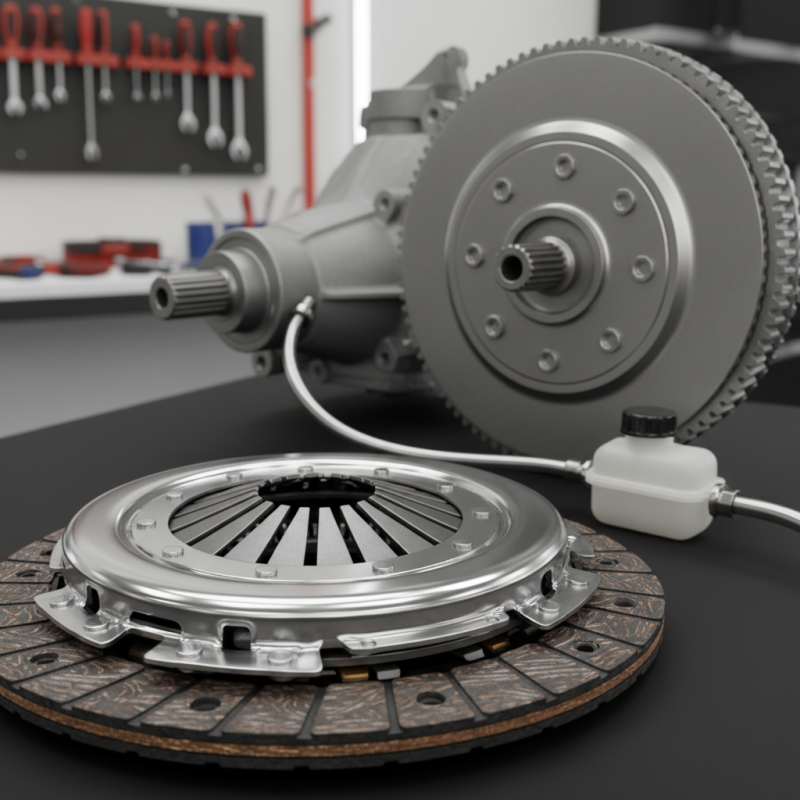
Clutch components play a vital role in vehicle operation. Understanding how each part functions can help you maintain them effectively. The clutch disc, pressure plate, and release bearing work together to ensure smooth gear shifts. When engaging the clutch, these components enable power transfer from the engine to the wheels, allowing for acceleration and deceleration.


To extend the life of your clutch components, regular maintenance is key. Avoiding sudden starts or stops can greatly reduce wear. Smooth gear changes minimize stress on the system. Remember, driving habits directly impact how long these parts last. Frequent inspections can catch early signs of wear before they become major issues.


Pay attention to sounds when shifting gears. Unusual noises may indicate problems. If you notice unusual slipping or difficulty in engagement, seek professional help. Keep your clutch fluid topped up and clean, as contaminated fluid can cause damage over time. Lastly, remember to engage the clutch fully to prevent unnecessary strain.

Regular Inspection: Identifying Wear and Tear in Clutch Parts

Regular inspection is crucial for maintaining the life of clutch components. Drivers often overlook this essential task. However, identifying wear and tear early can save money and prevent accidents. Visual checks can reveal cracks, discoloration, and fluid leaks. If you notice any of these issues, it might be time for a closer look.

Listen for unusual noises when engaging the clutch. Squeaks and grinding can indicate problems. These sounds can originate from worn bearings or misalignment. If your clutch feels spongy or unresponsive, examine it closely. A gradual decline in performance often signals deeper issues.

Keep track of the clutch's performance over time. Documenting changes can aid in spotting trends. Regularly checking the fluid levels and replacing them as needed is vital. This proactive approach can prolong the lifespan of your clutch components. Remember, neglect can lead to larger, more expensive repairs down the line. Stay vigilant. Your vehicle's performance depends on it.

Proper Driving Techniques to Minimize Clutch Strain

Proper driving techniques play a crucial role in extending the life of clutch components. One of the most common mistakes is resting your foot on the clutch pedal. This unnecessary pressure can lead to premature wear. Instead, keep your foot off the pedal unless you intend to change gears. This simple change can significantly reduce strain on your clutch.

Another technique to consider is smooth shifting. Jerky movements can place excessive stress on the clutch system. Take your time when engaging and disengaging the clutch. Smooth transitions not only enhance vehicle control but also prolong clutch lifespan. It’s essential to approach each gear change with intention. Don’t rush; it can lead to mistakes.

Additionally, engage the clutch fully when shifting. Partial engagement can cause excessive heat and wear. Ensure you release the clutch pedal completely before accelerating. This practice helps maintain optimal performance and reduces the chance of slipping. Remember, even small habits can create significant impacts over time. Reflect on your driving style and make adjustments where necessary.

Top 10 Tips to Extend the Life of Clutch Components

Maintenance Practices: Lubrication and Fluid Replacement

Proper lubrication is crucial for clutch components. It reduces friction and ensures smooth engagement. Use high-quality lubricants that meet specifications. Regularly check lubricant levels and replenish as needed. Inadequate lubrication can lead to wear and tear.


Fluid replacement is equally important. Old clutch fluid can become contaminated. This contamination affects the system's performance. Periodically change the fluid to maintain optimal function. Pay attention to the manufacturer’s recommendations for fluid types and intervals.


Neglecting these maintenance practices can lead to costly repairs. Regular inspections can catch issues early. Don't underestimate the role of clean fluids and proper lubrication. These are essential for prolonging the life of your clutch components.

When to Seek Professional Help for Clutch Issues

When dealing with clutch issues, knowing when to seek professional help is crucial. Clutch components endure significant wear and tear, often leading to performance problems. According to a report by the Automotive Research Institute, nearly 30% of clutch-related failures arise from neglecting early warning signs. Drivers should be vigilant. Sounds like grinding or slipping? These are red flags.


Maintaining your clutch is essential. Yet, not all issues can be resolved with DIY fixes. If your vehicle struggles to shift gears smoothly, it's time to consult an expert. A study revealed that timely intervention can save car owners up to 40% on repair costs. Ignoring these problems only leads to further damage and higher expenses in the long run.


Monitoring your vehicle's behavior is vital. If the clutch pedal feels soft or exhibits unusual vibrations, consider seeking a professional assessment. It’s an investment in your vehicle’s lifespan. Many drivers underestimate the importance of a thorough inspection. Regular check-ups can indeed prevent inconvenient breakdowns and expensive repairs. Prioritize your vehicle's health by involving specialists when needed.

FAQS

: What are the main components of a clutch?

: The main components include the clutch disc, pressure plate, and release bearing. They work together for smooth gear shifts.

How can driving habits affect clutch lifespan?

Poor driving habits, like sudden starts or resting foot on the clutch, increase wear. Smooth changes extend the clutch's life.

What should I listen for when shifting gears?

Pay attention to unusual noises. Grinding or slipping sounds may indicate clutch problems needing immediate attention.

When is it time to seek professional help for clutch issues?

Seek help if shifting gears is difficult. A soft pedal or unusual vibrations also warrant a professional assessment.

How does clutch fluid affect performance?

Contaminated or low clutch fluid can damage components. Regularly check and maintain clean fluid for optimal performance.

Why is smooth shifting important?

Smooth shifting reduces stress on the clutch system. Jerky movements can lead to premature wear and decreasing performance.

What is the risk of partial clutch engagement?

Partial engagement generates excessive heat and wear. Always engage fully before accelerating to maintain performance.

How often should I inspect my clutch components?

Regular inspections can catch early signs of wear. Addressing issues early can prevent major problems and save on repair costs.

Why is it important to reflect on driving style?

Small habitual mistakes can significantly impact clutch life. Assessing and adjusting driving habits can lead to better maintenance.

Can I fix all clutch problems myself?

Not all issues are DIY-friendly. Some problems require expert intervention. Ignoring signs can lead to higher repair costs later.

Conclusion

To ensure the longevity of clutch components, it is essential to understand their functionalities and engage in regular inspections to identify any signs of wear and tear. Recognizing how to maintain clutch components for longer life involves not only monitoring their condition but also employing proper driving techniques that minimize strain on these parts.

In addition to driving habits, consistent maintenance practices such as lubrication and timely fluid replacement are crucial. These steps help enhance the performance and durability of the clutch system. Ultimately, knowing when to seek professional help for any clutch-related issues is vital to prevent further damage and maintain optimal vehicle performance. By following these guidelines, drivers can significantly extend the lifespan of their clutch components.

Madeline

Madeline

Madeline is a dedicated marketing professional with a wealth of expertise in our company's core offerings. With a keen understanding of the industry, she brings a unique perspective to her role, consistently delivering high-quality content that highlights the superior aspects of our products. As......