How to Select the Best Clutch Discs for Your Agricultural Machinery?

Time:2026-06-10 Author:Oliver
0%

Choosing the right clutch discs for agricultural machinery is critical. According to expert John Matthews, a leading mechanical engineer in agricultural equipment, “The right clutch disc can significantly improve your machine’s efficiency.”

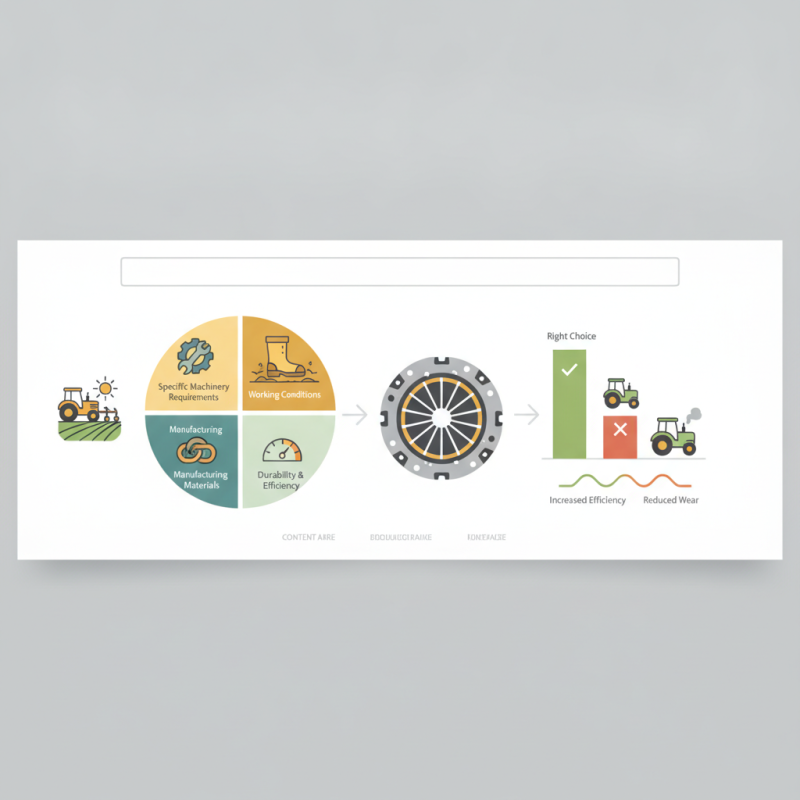
When it comes to selecting clutch discs, there are several factors to consider. You need to understand the specific requirements of your machinery. Different models have unique needs. This awareness can help prevent costly mistakes. An ill-fitting clutch disc can lead to performance issues and increased wear.

Clutch discs must match the working conditions of your equipment. Whether facing muddy fields or hard soil, different conditions affect performance. The materials used in manufacturing can impact durability and efficiency. Failing to choose wisely can lead to disappointing results. Reflecting on these factors ensures that you make informed decisions about how to choose clutch discs for agricultural machinery.
How to Select the Best Clutch Discs for Your Agricultural Machinery?

Factors to Consider When Choosing Clutch Discs for Agricultural Machinery

Choosing the right clutch discs for agricultural machinery is crucial for optimal performance. Consider the type of machinery you have. Different machines require specific clutch characteristics. For example, heavy-duty tractors need discs designed for high torque. This ensures they operate efficiently under tough conditions.

Pay attention to material quality. Clutch discs are generally made from organic, ceramic, or metallic materials. Each type has its advantages and limitations. Organic discs offer smooth engagement but may wear out faster. On the other hand, ceramic discs are more durable but can be harsher on the driveline. Assess your use case to make an informed decision.

Tips: Always check the manufacturer’s specifications. Ensure compatibility with your machinery. Performing regular maintenance can prolong the life of your clutch discs. Monitor performance and be proactive about replacements. Following these steps can prevent costly downtime.

Types of Clutch Discs and Their Applications in Agriculture

Choosing the right clutch disc for agricultural machinery can be challenging. There are different types available, each suited for specific applications. Understanding these types is crucial for efficiency.


Friction clutch discs are common in tractors. They use friction material to engage and disengage the engine power. These are ideal for heavy-duty applications, like plowing. However, excessive wear can occur if not properly maintained.


Ceramic clutch discs offer durability and greater heat resistance. They are suitable for high-performance machinery. Farmers often prefer them for tasks requiring consistent power. Yet, their higher cost can be a concern. Hybrid options, blending materials, aim to balance performance and price. However, finding a reliable supplier is essential for quality assurance.

How Material Composition Affects Clutch Disc Performance

The material composition of clutch discs significantly impacts their performance in agricultural machinery. Various materials provide different friction characteristics, durability, and heat resistance. For instance, organic materials offer good grip but may wear out quickly under heavy load. In contrast, metallic materials increase longevity but can cause harsh engagement.

Common agricultural tasks often involve high torque and frequent start-stop operations. This makes it crucial to select the right material for clutch discs. A disc made from composite materials can combine the best of both worlds, offering balanced performance. However, one must be cautious. Not all composites are created equal; some may not withstand extreme conditions.

When evaluating clutch discs, consider the specific demands of your machinery. Environmental factors like temperature and moisture also play a role in material performance. It’s important to weigh these aspects carefully. Sometimes, the shiny and new option might not be the best for your needs. This requires a keen understanding of how each material performs in real-world scenarios. Reflecting on past experiences can help guide your choices.

How to Select the Best Clutch Discs for Your Agricultural Machinery? - How Material Composition Affects Clutch Disc Performance

Material Composition Friction Coefficient Heat Resistance (°C) Durability Rating (Hours) Applications
Organic 0.35 150 1000 Light-duty tractors
Ceramic 0.45 300 2000 Heavy-duty machinery
Metallic 0.4 250 1500 High-torque applications
Carbon 0.5 400 2500 Racing and performance tractors

Understanding Size and Compatibility for Optimal Clutch Function

When selecting clutch discs for agricultural machinery, understanding size and compatibility is critical. The right size ensures a proper fit to avoid slippage and inefficient power transfer. Measure the diameter of existing discs before making a purchase. Many users underestimate the significance of even minor size discrepancies. An incorrect size can lead to mechanical failure, which is both costly and time-consuming.

Compatibility with your specific machinery is equally important. Different equipment may have unique specifications for clutch performance. Always refer to the machine's manual for guidance. Ignoring this may lead to selecting a disc that does not meet operational requirements. Many farmers have faced challenges due to incompatible parts. It’s vital to cross-reference part numbers and specifications diligently.

Additionally, materials used in clutch discs affect performance. Some discs are made for durability, while others emphasize grip. Consider your working conditions. A soft disc may wear quickly in tough environments. Conversely, a harder disc might not engage well under specific circumstances. Each choice carries its implications. Reflect on past experiences with clutch failures to inform your decision-making process.

Maintenance Tips for Extending the Life of Clutch Discs

Clutch discs play a vital role in agricultural machinery. Proper maintenance can significantly extend their lifespan. Regular inspection is crucial. Dirt and debris can accumulate, causing wear. A recent industry report noted that 35% of clutch failures stem from neglected maintenance. Operators should focus on keeping the discs clean and dry.

Another critical tip is managing the temperature. High heat can warp clutch discs, leading to premature failure. It's advisable to monitor operating conditions closely. A study revealed that utilizing cooling systems effectively can reduce heat-related issues by up to 25%. Operators may overlook this step, resulting in costly repairs.

Additionally, ensuring proper alignment is essential. Misalignment can cause uneven wear, which is detrimental to performance. According to industry guidelines, maintaining proper alignment can enhance longevity by 15%. It's easy to neglect minor adjustments, but these small efforts lead to significant benefits. Regular maintenance checks can help catch these issues early, reducing downtime and costs.

FAQS

: How do I choose the right clutch disc for my agricultural machinery?

: Consider the type of machinery you have. Heavy-duty tractors need discs designed for high torque.

What materials are clutch discs made from?

Clutch discs are typically made from organic, ceramic, or metallic materials. Each has its own pros and cons.

What should I know about organic clutch discs?

Organic discs provide smooth engagement but may wear out faster than other types, potentially leading to frequent replacements.

Why might I choose ceramic clutch discs?

Ceramic discs are more durable and handle heat well. They're suitable for high-performance tasks but are often more expensive.

How important is the size of the clutch disc?

Size is critical. An incorrect size can cause slippage and mechanical failure, resulting in costly repairs.

Where can I find compatibility information for clutch discs?

Always refer to the machinery's manual. Ignoring compatibility can lead to selecting the wrong parts.

How can I maintain my clutch discs effectively?

Regular maintenance and monitoring performance can prolong the life of your clutch discs. Be proactive about replacements.

What are hybrid clutch discs?

Hybrid discs blend materials to balance performance and price. Finding a reliable supplier is crucial for quality.

Why is it essential to consider working conditions?

Tough environments may wear down softer discs quickly, while harder discs might not engage properly in specific situations.

What can I reflect on to improve my clutch selection process?

Think about past experiences with clutch failures and how they might inform your current decisions.

Conclusion

Selecting the right clutch discs for agricultural machinery is essential for optimal performance and longevity. When considering how to choose clutch discs for agricultural machinery, it's important to evaluate several factors, including the specific application, the types of clutch discs available, and their material composition. Different materials and designs are suited for various agricultural tasks, influencing their effectiveness and durability.

Additionally, understanding the size and compatibility of clutch discs with your machinery can prevent operational issues. Regular maintenance is also crucial to extend the lifespan of these components. By following these guidelines, farmers can ensure they make informed choices that enhance the performance of their equipment and reduce the likelihood of breakdowns in the field.

Oliver

Oliver

Oliver is a seasoned marketing professional with a wealth of expertise in driving brand awareness and engagement. With a deep understanding of our company's product offerings, he consistently delivers high-quality content that enriches our professional blog. His insights not only shed light on......