Clutch chatter and vibration are common issues that can greatly affect vehicle performance. According to the Society of Automotive Engineers, around 30% of manual transmission vehicles experience these problems, leading to driver discomfort and potential damage. Understanding how to prevent clutch chatter and vibration is essential for maintaining a smooth ride.
Frequent occurrences of these issues can result from factors such as improper installation or wear. Studies indicate that nearly 50% of all clutch-related problems stem from insufficient maintenance practices. This highlights the need for drivers and technicians to stay informed about best practices in clutch care. Regular inspections and timely replacements can significantly reduce the likelihood of encountering these nagging vibrations.
Moreover, educating vehicle owners on the signs of impending clutch issues is key. That said, the complexity of vehicle systems sometimes complicates detection. Some drivers might ignore subtle symptoms, risking more severe damage. By fostering awareness and promoting proactive maintenance, we can address this common issue effectively. Understanding how to prevent clutch chatter and vibration will ultimately lead to better vehicle longevity and driver satisfaction.
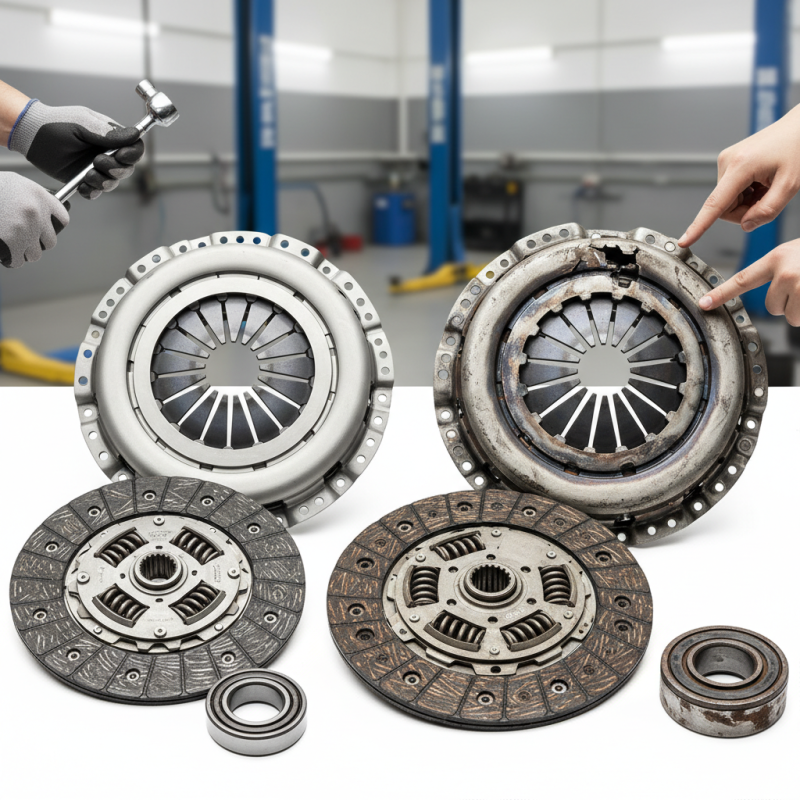
Clutch chatter and vibration can significantly impact vehicle performance. Understanding their causes is crucial for effective prevention. Clutch chatter often arises due to uneven clutch disc wear or contamination. This can lead to harsh engagement, causing vibrations that can be felt throughout the vehicle.
Issues like misalignment or damaged components also contribute to these problems. Poor adjustment in the clutch system may further exacerbate vibration. These factors can affect driving comfort and vehicle longevity. Drivers may notice increased noise and discomfort during shifts, which can indicate underlying issues.
Tips for prevention include regular maintenance checks. Inspecting the clutch system can help identify worn components early. Always ensure proper alignment when installing a new clutch. Keep the system clean and free from contaminants. It’s beneficial to replace the clutch fluid regularly to maintain optimal performance. Monitoring for unusual behavior in the clutch can prevent more serious issues. Awareness and prevention are key to a smoother driving experience.
: Clutch chatter often results from uneven disc wear or contamination, leading to harsh engagement and vibrations.
Misalignment can cause increased vibration and discomfort during shifts, impacting overall vehicle performance.
Regular checks include inspecting the clutch system for wear and ensuring proper fluid levels to maintain performance.
Riding the clutch causes unnecessary friction and heat, which can lead to premature wear and increased costs.
Low fluid levels can lead to inefficient performance and increased wear on clutch components, resulting in future issues.
Drivers should pay attention to clutch pedal behavior, as sticking or unusual actions may indicate underlying problems.
High-grade materials prevent misalignment and excessive vibration, promoting comfort and longevity of the clutch system.
Ignoring preventive measures can lead to extensive damage and costly repairs, making regular checks important.
Yes, poor installation can cause misalignment, leading to chatter and premature wear of the clutch components.
Regular maintenance can identify issues early, extending the clutch's lifespan and avoiding major repairs.
Clutch chatter and vibration are common issues faced by vehicle owners, often resulting from various causes such as worn components or improper installation. Understanding the symptoms, such as shaking during gear shifts, is crucial for timely intervention. To address "How to prevent clutch chatter and vibration," regular preventative maintenance is key. This includes checking the condition of the clutch components and ensuring proper alignment.
Additionally, using quality parts during the clutch system installation can significantly reduce the risk of these problems. If symptoms persist despite these measures, it is essential to seek professional help to diagnose and resolve any underlying issues, ensuring the vehicle operates smoothly and effectively.

 Galleo Auto Parts