OEM vs Aftermarket Clutch Parts 5 Key Differences Explained?

Time:2026-06-22 Author:Aria
0%

When addressing clutch parts, one common question arises: What is the difference between OEM and aftermarket clutch parts? This inquiry is crucial for car owners and mechanics alike. According to a 2022 report by the Automotive Aftermarket Suppliers Association (AASA), the aftermarket parts industry is expected to grow significantly, reflecting a shift in consumer preferences.

OEM parts, manufactured by the original equipment manufacturer, typically ensure perfect fit and performance. They adhere to strict quality standards. Meanwhile, aftermarket parts provide more cost-effective alternatives. However, not all aftermarket parts meet the same standards. Research from the Specialty Equipment Market Association (SEMA) indicates that while some aftermarket options offer excellent quality, others may compromise on durability.

This landscape presents a challenge for buyers. Understanding the nuances can lead to more informed purchasing decisions. With a variety of options available, distinguishing between OEM and aftermarket clutch parts remains essential for optimal vehicle performance. Keeping updated on emerging trends can further guide this decision-making process.
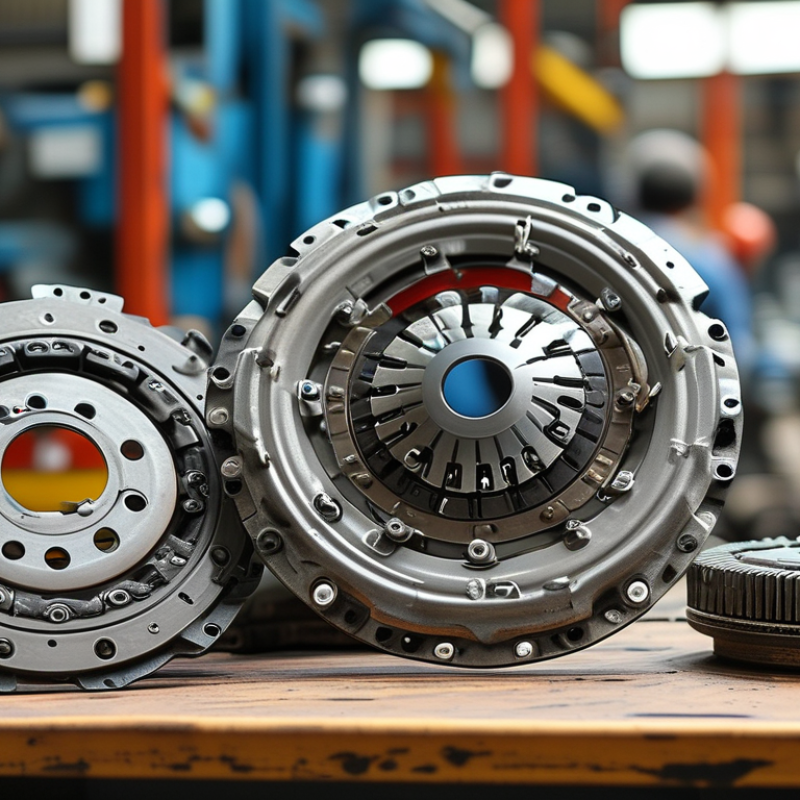
OEM vs Aftermarket Clutch Parts 5 Key Differences Explained?

OEM Clutch Parts: Definition and Characteristics

OEM (Original Equipment Manufacturer) clutch parts are designed to meet specific standards set by vehicle manufacturers. They undergo rigorous testing to ensure they provide reliable performance and durability. According to a 2022 industry report, OEM parts have a 30% lower failure rate compared to their aftermarket counterparts. This reliability is critical for maintaining vehicle safety and performance over time.

One key characteristic of OEM clutch parts is their precise fitment. These parts are engineered to align perfectly with the specifications of the original component, which helps in maintaining the overall integrity of the vehicle system. However, the higher cost associated with OEM parts can lead some vehicle owners to question their necessity. A survey indicated that 42% of consumers opt for cheaper alternatives without fully understanding the potential trade-offs in quality and longevity.

Moreover, OEM parts are supported by warranty coverage that can vary significantly in length and terms. This assurance provides added peace of mind for consumers, especially for those who rely heavily on their vehicles. Reflecting on these aspects is important, as choosing the right clutch part can affect performance and maintenance costs in the long run.

OEM vs Aftermarket Clutch Parts: 5 Key Differences Explained

Feature OEM Clutch Parts Aftermarket Clutch Parts
Quality Typically higher, made to original specifications Varies; quality can range from high to low
Warranty Generally includes a manufacturer’s warranty May offer limited warranties
Cost Usually more expensive Often less expensive
Availability Available through manufacturer dealerships Widely available through multiple retailers
Fitment Designed specifically for the vehicle model May require adjustments or modifications

Aftermarket Clutch Parts: Definition and Characteristics

Aftermarket clutch parts refer to components made by third-party manufacturers. They offer a wide range of options for vehicle owners. The materials used in aftermarket parts can vary. Some may use lower-quality materials, which could affect performance and longevity. Conversely, high-quality aftermarket parts can exceed OEM specifications in durability. A study by Automotive News indicates that 60% of vehicle parts sold in the aftermarket sector aim to compete with OEM quality.

Tips: Always check the material specifications before purchasing. Ensure they match or exceed original performance standards.

Characteristics of aftermarket clutch parts include affordability and availability. They often come at a lower price point compared to OEM parts. This makes them attractive for cost-conscious consumers. However, not all aftermarket options are created equal. A survey by J.D. Power revealed that consumer satisfaction varies widely, with some users reporting issues related to fit and performance.

Tips: Consult reviews from reputable sources when choosing aftermarket parts. This can guide you towards reliable options.

Purchasing aftermarket components can involve risks. Low-quality parts may lead to premature failures. Understanding your vehicle's needs is crucial before making any decisions. Researching manufacturers and reading customer feedback can provide valuable insight. This will help ensure you make informed purchases that enhance vehicle performance.

Key Differences in Quality and Performance

When selecting between OEM and aftermarket clutch parts, quality and performance stand out as primary factors. OEM parts are produced by the vehicle's manufacturer. They are designed specifically for each model. This often results in a precise fit and expected performance levels. In contrast, aftermarket parts come from third-party manufacturers. These parts may vary significantly in quality and are often less expensive.

However, the lower cost of aftermarket parts doesn’t always mean better value. Some aftermarket clutches offer excellent performance ratings, constructed from high-quality materials. Others might not withstand the demands of daily driving. It’s important to research available options. Consider reviews and testimonials from actual users to gauge long-term reliability.

Performance can also vary drastically between the two types. An OEM clutch generally provides dependable performance under standard driving conditions. Aftermarket options might excel in specific situations, such as racing or high-performance driving. Still, the risk lies in inconsistent quality. Always weigh the pros and cons carefully before making a decision. Ultimately, prioritize parts that align with your vehicle's needs and driving style.

Cost Comparison between OEM and Aftermarket Clutch Parts

When comparing OEM and aftermarket clutch parts, cost is often a decisive factor for many vehicle owners. OEM parts typically come with a higher price tag due to their manufacturer guarantees and associated research and development costs. According to the Automotive Aftermarket Suppliers Association, OEM parts can be 20-70% more expensive than aftermarket alternatives. This significant markup can be a burden, especially for those managing tight budgets.

However, the cost difference raises questions about quality and durability. Aftermarket parts often offer a more budget-friendly option, but this does not always translate into long-term performance. A report by J.D. Power indicates that while some aftermarket products perform well, more than 25% may fail to meet OEM standards. This inconsistency can lead to repeated repairs, which can add to the overall expense.

Purchasing decisions should consider lifetime costs rather than just upfront prices. For instance, if a cheaper aftermarket clutch part fails early, the costs associated with labor and additional replacement parts can quickly surpass the initial savings. It is essential to weigh these risks against potential savings.

Considerations for Choosing Between OEM and Aftermarket Options

When choosing between OEM and aftermarket clutch parts, several factors come into play. OEM parts are made by the vehicle's manufacturer. They often guarantee a perfect fit and match the original specifications. Aftermarket options, on the other hand, are produced by third-party companies. They may offer a wider range of choices in terms of performance and price. This makes it essential to assess your driving needs carefully.

Quality is a critical consideration. OEM parts typically undergo rigorous testing, ensuring reliability. Aftermarket parts, however, vary widely in quality. Some brands offer high-performance options, while others may cut corners. It’s important to research manufacturers and read reviews. Has your experience been seamless, or did you face issues? Reflect on your past repairs to guide your choice.

Additionally, pricing plays a significant role. OEM parts can be more expensive than aftermarket options. However, investing in quality can save money long-term. A cheaper part might fail sooner, leading to additional repairs. Seek a balance between cost and reliability. Your choice should reflect both your budget and your vehicle's needs.

FAQS

: What are OEM clutch parts?

: OEM clutch parts are designed to meet specific standards set by vehicle manufacturers. They ensure reliable performance and durability.

Why do some people choose aftermarket parts?

Some vehicle owners opt for cheaper aftermarket parts. However, they may not realize the potential trade-offs in quality and longevity.

What is the failure rate of OEM parts compared to aftermarket parts?

OEM parts have a 30% lower failure rate than aftermarket counterparts, indicating they are generally more reliable.

Do OEM parts come with warranty coverage?

Yes, OEM parts typically come with warranty coverage. However, the length and terms can vary significantly.

How do OEM and aftermarket parts differ in fitment?

OEM parts are engineered for a precise fit with the original component. Aftermarket parts may not have such a specific alignment.

Can aftermarket parts offer good performance?

Yes, some aftermarket clutches provide excellent performance. However, others may not withstand daily driving, so research is essential.

What should I consider when selecting clutch parts?

Consider quality, performance, and how parts align with your vehicle's needs. Reviews and testimonials can help gauge reliability.

Are aftermarket parts always cheaper?

Typically, aftermarket parts are less expensive. However, lower cost doesn't always equate to better value or quality.

When should I choose OEM parts?

Opt for OEM parts if reliability and fit are your priority. They generally perform better under standard driving conditions.

Is there variability in aftermarket part performance?

Yes, aftermarket part performance can differ widely. Some may excel while others do not meet daily driving demands.

Conclusion

When considering clutch parts for vehicles, understanding "what is the difference between OEM and aftermarket clutch parts" is essential. OEM (Original Equipment Manufacturer) clutch parts are produced by the vehicle's manufacturer, ensuring compatibility and adherence to original specifications. They are typically known for their high quality and reliability but often come at a premium price. In contrast, aftermarket clutch parts are made by third-party manufacturers and can vary significantly in quality and performance.

The key differences lie in their quality, performance, and price. While OEM parts guarantee a perfect fit and optimal function, aftermarket options may offer cost savings but could compromise on these aspects. When deciding between the two, factors such as budget, intended use, and desired longevity should be taken into account to make the best choice for your vehicle's needs.

Aria

Aria

Aria is a dedicated marketing professional with a deep passion for innovative strategies and a keen understanding of our company's product offerings. With a wealth of experience in the industry, Aria excels at crafting engaging content that highlights the unique features and benefits of our......