In the world of automotive maintenance, understanding "How to extend the service life of clutch assemblies" is crucial. Automotive expert Dr. Linda Thompson emphasizes, “Regular inspections and proactive maintenance can significantly prolong clutch functionality.” Her insights underscore the importance of addressing clutch issues before they escalate.
Clutch assemblies endure constant stress while engaging and disengaging power. Failure to maintain these components can lead to costly repairs. Observing signs of wear, such as slipping or unusual noises, is vital. Engaging a professional mechanic for routine checks will help identify potential problems early.
Moreover, driving habits influence clutch longevity. Excessive idling and abrupt shifts contribute to premature wear. Adopting smoother driving techniques, along with proper maintenance, can make a noticeable difference. Each vehicle owner plays a role in ensuring their clutch system remains reliable for years to come. As we delve deeper into maintenance strategies, individual responsibility remains critical for enhancing durability.
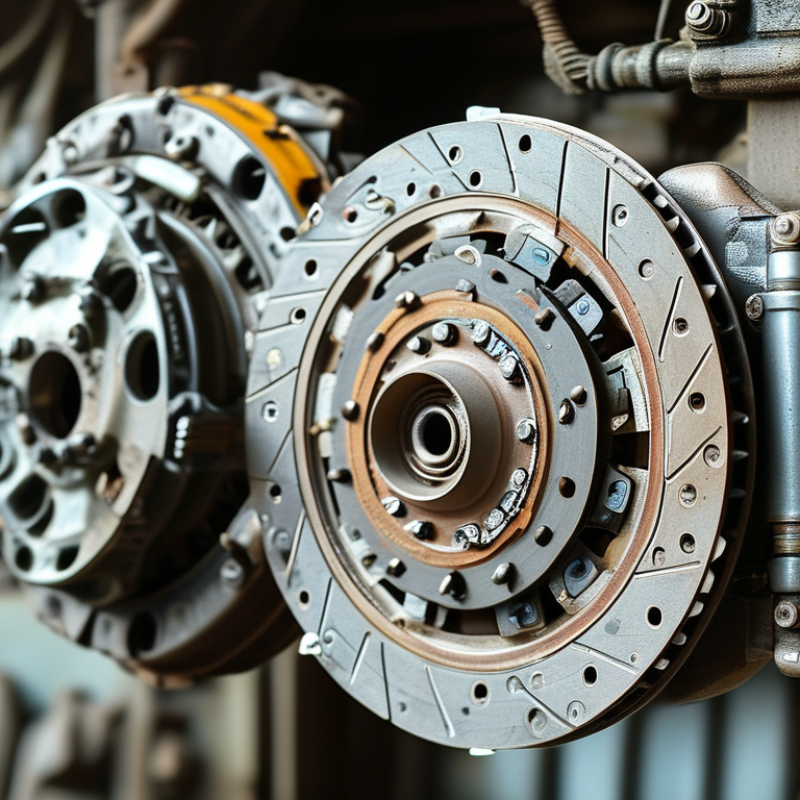
Understanding the components of clutch assemblies is essential for ensuring their longevity. The clutch assembly consists of several key parts, each playing a vital role. The pressure plate exerts force on the clutch disc, allowing power transfer from the engine to the transmission. If the pressure is inappropriate, it can lead to premature wear.
The clutch disc is another critical component. It faces friction, which generates heat. High temperatures can cause the material to degrade quickly. Regular inspections are necessary to detect signs of glazing or cracks. Also, the throw-out bearing helps disengage the clutch and is subject to wear. A failing bearing can lead to grinding noises and eventual failure, impacting the overall performance.
Understanding these components can help vehicle owners make better maintenance decisions. However, many overlook these details. Some may delay scheduled inspections, thinking everything is fine. This can result in unexpected repairs. Regularly checking these elements and being mindful of driving habits can significantly enhance clutch assembly durability. Proper engagement and smooth shifts can minimize stress on the system. Consideration of these factors will help in achieving a more reliable clutch operation.
Clutch assemblies are vital components in vehicles, yet they often wear out prematurely. Common causes of clutch assembly wear include excessive heat, contamination, and improper adjustment. A study by the Society of Automotive Engineers indicates that 30% of clutch failures are due to overheating. This occurs when the clutch is continuously engaged, leading to friction and eventually wear.
Another significant factor is contamination from oil or debris, which can cause slipping and reduced efficiency. According to a recent survey, nearly 25% of fleet operators report that contamination is a primary reason for clutch replacement. Proper maintenance is crucial. Regular inspections and timely replacements can prevent severe damage.
Lastly, improper adjustment can lead to uneven pressure on the clutch plate. This can result in uneven wear. Often, drivers overlook this aspect, leading to costly repairs. Addressing these issues early is essential for extending the lifespan of clutch assemblies. Focusing on regular maintenance and understanding wear patterns can significantly enhance their durability.
Maintaining clutch assemblies is essential for vehicle performance. Regular maintenance can significantly extend their lifespan. Inspecting the clutch regularly helps identify wear early. Look for unusual noises and vibrations that signal issues. Manual checks ensure that all components are working seamlessly.
Routine lubrication can reduce friction and wear. However, over-lubrication may lead to problems. Chafing cables or sticking components could arise from this mistake. It is crucial to use the right amount of lubricant sparingly. Keep an eye on the clutch pedal's feel as well. If it feels spongy or stiff, it's time for an inspection.
Lastly, the environment plays a role in longevity. Clutches in high-temperature areas wear faster. Dust and debris can also contribute to damage. Implementing protective measures can mitigate these risks. Regular cleaning around the clutch components is a good practice. Yet, over-cleaning could compromise gasket integrity. Thoughtful inspections and maintenance practices lead to better outcomes.
| Best Practices | Description | Recommended Frequency | Importance Level |
|---|---|---|---|
| Regular Inspection | Routine checks for wear and tear. | Every 10,000 miles | High |
| Proper Installation | Ensure correct alignment and torque settings. | At each clutch replacement | Critical |
| Fluid Replacement | Change hydraulic fluid to prevent contamination. | Every 2 years | Moderate |
| Driving Habits | Avoiding rapid starts and excessive clutch use. | Ongoing | High |
| Adapt Use Cases | Use a suitable clutch for the application. | As required | High |
Proper installation and alignment of clutch assemblies are crucial for optimal performance and longevity. An improperly aligned clutch can lead to excessive wear and premature failure. Therefore, paying attention to the details during installation is essential.
One important tip is to ensure the pilot shaft is aligned with the flywheel. This reduces strain on the components when the clutch engages. Use alignment tools for precise fitting. Additionally, check the torque specifications for all bolts. Over-tightening can lead to warping, while under-tightening can cause slippage.
Regular inspections can aid in spotting issues early. Listen for unusual noises and check for vibrations during operation. Addressing these signs quickly can extend the life of your clutch assembly. Doing things right from the start is often better than correcting mistakes later.
When it comes to clutch assembly longevity, material choice plays a pivotal role.
High-quality friction materials are essential. Look for those that can withstand high temperatures and pressures.
Organic, ceramic, and metallic materials offer differing benefits. Each has its pros and cons. For example, organic materials provide smooth engagement but wear quicker.
Meanwhile, metallic options promise durability but may lead to harsher engagement.
Additionally, the choice of steel for pressure plates is crucial.
Hardened steel can resist warping and fatigue over time. However, if it's too brittle, it could crack under stress. Balancing toughness and flexibility is vital in material selection.
Don't overlook other components like bearings and seals. A quality seal can prevent contamination that leads to premature wear.
Ultimately, understanding how materials interact helps enhance clutch life.
Regular assessments of wear and materials performance are key.
Many operators underestimate the importance of proper installation and maintenance.
Each error can significantly cut down the assembly's lifespan. Thoughtful material choices combined with careful attention to installation can lead to longer-lasting clutch assemblies.
: The clutch assembly includes the pressure plate, clutch disc, and throw-out bearing. Each part plays a vital role.
The pressure plate exerts force on the clutch disc, ensuring proper power transfer. Improper pressure can cause wear.
The clutch disc faces friction and generates heat. High temperatures can quickly degrade its material, necessitating regular checks.
A failing throw-out bearing can cause grinding noises and affect overall performance. It's subject to wear and needs attention.
Regular inspections are essential. Look for unusual noises, vibrations, and any signs of wear. Don't skip these checks.
Environment plays a role. High temperatures and debris can lead to faster wear. Protective measures can mitigate these risks.
Routine lubrication is necessary, but be careful with the amount. Over-lubrication can cause sticking components or chafing cables.
Ensure the pilot shaft aligns with the flywheel. Use alignment tools and check torque specifications for all bolts.
Spongy or stiff pedal feel, unusual noises, and vibrations signal potential issues. Address these concerns promptly.
Over-tightening can warp components; under-tightening can cause slippage. Pay attention to detail to prevent premature failure.
To understand "How to extend the service life of clutch assemblies," it is essential to grasp the key components of clutch assemblies, including their functions and potential failure points. Common causes of wear include improper usage, insufficient maintenance, and environmental factors. Regular inspection and adhering to best maintenance practices can significantly enhance the durability of these components.
Moreover, ensuring proper installation and alignment is critical to prevent premature failure. Selecting high-quality materials during the manufacturing or replacement of clutch components also plays a vital role in achieving longevity. By focusing on these areas, vehicle owners and technicians can effectively prolong the life of clutch assemblies, thereby ensuring optimal performance and reliability.

Galleo Auto Parts