How does temperature affect clutch friction materials is a practical question for vehicle designers, technicians, and everyday drivers. Clutch friction materials work within changing thermal conditions, not at one fixed temperature. During engagement, friction converts engine torque into heat. A slow hill start may create more heat than a brief highway shift.
When temperatures rise, resin binders can soften, friction levels may change, and surface glazing can develop. Excessive heat may also increase wear, produce odor, or cause clutch fade. Cold conditions bring different concerns. Materials can become less flexible, engagement may feel harsher, and moisture can affect initial friction. These effects depend on material formulation, pressure-plate design, load, speed, and ventilation.
Real testing usually includes repeated engagement cycles, torque measurements, temperature sensors, and visual inspection. Technicians may notice a sharp smell, a slipping clutch, or uneven contact marks before serious damage appears. Laboratory data helps, but road conditions are less tidy. Driver habits, traffic, payload, and installation quality can change the result. I have found that temperature alone rarely explains every failure. It is one part of a larger system.
This guide examines seven practical ways temperature influences clutch friction materials. It considers heat transfer, friction stability, wear, fade, recovery, cold performance, and service life. The goal is not to promise one universal answer. Instead, it offers reliable engineering context for comparing materials and interpreting real operating symptoms.
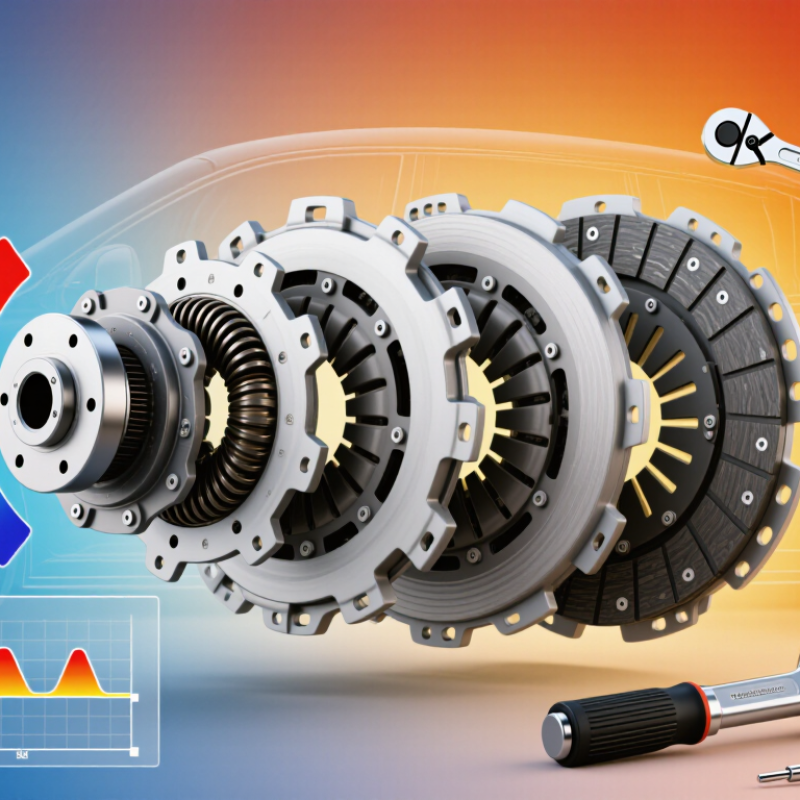
Temperature controls how clutch friction materials grip, release, and survive repeated engagement. In field inspections, heat marks often appear before obvious slipping. A surface near 180°C may feel normal during one pull, yet repeated stops can push it far higher. The exact limit depends on the friction compound, pressure plate, load, and cooling airflow.
Watch seven details: operating temperature, peak temperature, heating rate, cooling time, contact pressure, surface condition, and heat distribution. Temperature sensors near the friction interface provide better evidence than housing temperature. A darkened lining, glazed texture, or sharp burnt odor deserves attention. These signs can indicate resin breakdown or uneven contact. Not every discoloration means failure, though. Light staining may not reduce performance after controlled testing, so visual judgment alone remains weak.
High heat can reduce friction stability and increase fade during engagement. It may also harden the lining, distort mating surfaces, or accelerate wear. Cooling intervals help, but airflow and alignment matter too. A practical evaluation should record load, speed, temperature, slip time, and recovery behavior. Test results can change with humidity and installation torque. That is easy to overlook. Engineers should compare several duty cycles, not one impressive run. Material selection becomes more reliable when laboratory data matches real traffic, gradients, and payload changes.
Low temperatures change friction before the vehicle moves. In SAE J661-style testing, friction coefficients for organic and semi-metallic materials can decrease by roughly 10–25% below freezing, depending on resin, load, and surface condition. Cold lubricant also becomes thicker. Engagement then feels delayed or uneven. A driver may notice a sharp bite after several seconds.
The effect is not only about friction. SAE technical studies on wet clutch systems show that low oil temperature can increase drag torque and slow plate separation. In practical testing, oil viscosity may rise several times between 100°C and -20°C, according to ASTM D341 viscosity-temperature methods. That extra resistance creates heat during slipping. It can polish the friction surface and increase localized wear.
A cold clutch needs patience.
Field inspections often find glazing after repeated short slips in winter traffic. That result is easy to blame on the friction material alone, but alignment, oil grade, and flywheel condition also matter. My experience suggests that laboratory results can look cleaner than real starts on icy mornings. Material selection should include cold-cycle testing, not only peak-temperature performance. Yet no single test fully represents every vehicle, road, or driver.
High temperature changes clutch friction behavior in several connected ways. When repeated slipping creates excessive heat, the resin binder can soften and release gases. This produces clutch fade, where pedal operation feels normal but torque transfer becomes weak. The warning may appear as a sharp, burnt odor. Sometimes, it arrives without much noise.
Tip 1: Treat repeated slipping as a heat event, not a driving habit. Allow cooling between demanding engagements.
Tip 2: Check for glazing after overheating. A glazed friction surface looks unusually smooth or shiny, like polished stone. This hard layer reduces contact and can cause shudder, inconsistent engagement, or renewed slipping. Light surface roughness is usually helpful; excessive polishing is not.
Temperature also accelerates material degradation. Fibers may lose strength, binders can break down, and friction performance may change permanently. Uneven heat creates local hot spots, which can warp mating surfaces or produce cracks. In workshop inspections, I do not judge condition by color alone. Dark patches matter, but thickness, smell, surface texture, and flywheel condition matter too. A temperature reading alone can mislead.
Tip 3: Measure operating temperature when possible, inspect the entire assembly, and correct the cause, such as overload, poor adjustment, or inadequate cooling. Some parts may appear usable after cooling, yet their friction response has already changed. That is the uncomfortable detail.
Temperature strongly influences how clutch friction materials grip, wear, and release. Organic linings often provide smooth engagement at moderate temperatures, but repeated slipping can overheat their resin binders. The surface may glaze, causing weaker friction and a sharp burnt odor. Heat changes everything.
Semi-metallic materials usually tolerate higher temperatures and transfer heat more quickly. However, their metallic content can increase rotor wear and create harsher engagement. Ceramic-based materials can remain stable during severe thermal cycling, yet they may feel less forgiving during low-speed starts. A material that performs well on a test rig may feel uncomfortable in daily traffic.
In workshop inspections, I look for uneven discoloration, radial cracks, hardened spots, and unusual dust patterns. These details often reveal thermal stress better than mileage alone. Testing should include repeated engagement, cooling intervals, and different loads. Friction levels can change as the lining heats, cools, and absorbs moisture. Small temperature differences matter.
Material selection also depends on pressure-plate design, vehicle weight, airflow, and driving habits. Laboratory data is useful, but it cannot reproduce every hill, trailer, or congested street. I have seen apparently durable linings fail early when cooling was overlooked. That mistake is easy to repeat. Engineers should question both the material and the operating conditions before approving a friction solution.
Temperature control begins with measurement, not guesswork. Measure the heat. Use an infrared thermometer near the clutch housing after demanding operation. Compare readings with the friction material’s rated temperature range. Excessive heat can glaze the surface, reduce grip, and create uneven engagement.
Avoid holding the clutch at the biting point in traffic or on slopes. Use the brake, then engage the clutch smoothly. Let it cool. During installation, follow a careful bedding-in process with several moderate engagements. Sudden heavy loads can damage new friction surfaces before they settle. Improve airflow around the housing, and keep surrounding components clean. Oil or grease contamination may cause slipping and dangerous heat buildup.
Choose friction materials suited to the vehicle’s load and operating cycle. Inspect for blue discoloration, cracks, dust, or a burnt smell. These signs deserve attention, even when the clutch still works. Replace worn components before thin friction material overloads the pressure system. Service intervals should reflect actual use, not only the calendar. Frequent towing, steep roads, and stop-and-go traffic require shorter inspection periods. A useful workshop lesson is that cooling after one overheated event may not restore the original strength. I once underestimated repeated short slips; they seemed harmless, but their accumulated heat mattered. Temperature control is never perfect. Small habits matter.
| Tip | Temperature Condition | Typical Friction-Surface Temperature | Effect on Friction Material | Common Warning Signs | Temperature-Control Method | Service-Life Benefit |
|---|---|---|---|---|---|---|
| 1 | Prevent repeated overheating | Approx. 150–250°C (302–482°F) |
Repeated high-temperature cycles can accelerate resin degradation, surface glazing, fading friction, and wear. The exact limit depends on the friction compound and clutch design. | Burning odor, smoke, slipping during engagement, or a temporary loss of torque capacity. | Avoid riding the clutch, reduce excessive slipping, and allow cooling intervals during heavy-duty operation. | Reduces thermal fatigue and helps preserve stable friction performance. |
| 2 | Limit thermal fade | Often noticeable above approx. 250°C (482°F) |
As temperature rises, friction coefficient and torque capacity may temporarily decrease. Severe overheating can cause permanent changes to the friction layer. | Engine speed increases without matching vehicle acceleration, delayed engagement, or inconsistent clutch feel. | Use correct gear selection, avoid excessive launch slip, and provide adequate airflow around the clutch housing where applicable. | Maintains more consistent torque transfer under repeated loads. |
| 3 | Control heat-checking and distortion | Rapid local heating above approx. 300°C (572°F) |
Uneven temperature distribution can create thermal gradients, leading to hot spots, surface cracks, disc distortion, or uneven contact. | Judder, vibration, pulsing engagement, localized discoloration, or irregular wear marks. | Inspect flywheel and pressure-plate flatness, maintain correct alignment, and avoid abrupt engagement that concentrates heat. | Reduces mechanical stress on the friction disc and mating surfaces. |
| 4 | Keep the friction surfaces dry and clean | Any operating temperature | Oil, grease, coolant, or water contamination can reduce friction, promote slipping, and cause additional heat generation. | Persistent slip, chatter, uneven engagement, fluid odor, or visible contamination on the lining. | Repair seal leaks, keep the bell housing clean, and replace heavily contaminated friction material rather than relying on surface cleaning alone. | Prevents the slip-heat-slip cycle that rapidly consumes lining material. |
| 5 | Use the correct friction material for the duty cycle | Design-specific; verify supplier data | Organic, semi-metallic, ceramic, and sintered materials have different temperature limits, wear rates, engagement characteristics, and recovery behavior. | Premature wear, excessive noise, poor low-temperature engagement, or repeated fade under the intended load. | Match the friction material to vehicle mass, torque, speed, load frequency, and expected peak temperature; follow the manufacturer’s specification. | Avoids operating a material outside its validated thermal and mechanical range. |
| 6 | Follow a controlled break-in procedure | Moderate heat; avoid extreme peaks | New friction surfaces need progressive contact. Excessive heat during initial operation can glaze the lining before full contact is established. | Early shudder, unstable engagement, unusual odor, or reduced torque capacity after installation. | Use several moderate engagements with cooling periods, and avoid heavy towing, racing starts, or prolonged slipping until bedding is complete. | Promotes uniform contact and reduces localized hot spots during early wear. |
| 7 | Monitor wear and thermal damage regularly | Inspect after high-load or high-temperature events | Progressive wear reduces lining thickness and may reduce the system’s ability to absorb heat. Thermal discoloration can indicate overheating but is not a precise temperature measurement. | Rivets approaching the contact surface, cracks, missing lining, blue or black hot spots, slipping, or abnormal noise. | Measure lining thickness, check runout and surface condition, inspect release components, and replace parts when they reach the specified service limit. | Detects heat-related damage before it causes secondary failures. |
Note: Temperature ranges are general engineering guidance rather than universal limits. Actual friction-surface temperatures and allowable limits vary with material formulation, pressure, sliding speed, contact pressure, cooling conditions, and clutch design. Always use the applicable technical specification for final maintenance decisions.
Temperature affects grip, release, wear, and long-term durability. Repeated engagement creates heat.
Yes. One pull may seem normal, while repeated stops raise the temperature much higher. The exact limit varies.
Record operating temperature, peak temperature, heating rate, cooling time, pressure, surface condition, and heat distribution.
Sensors near the friction interface usually provide better evidence than housing measurements. Housing readings can mislead.
Darkened lining, a shiny glazed surface, sharp burnt odor, cracks, or uneven wear deserve attention.
No. Light staining may not reduce performance after controlled testing. Color alone is weak evidence.
Fade occurs when heat reduces torque transfer, even though pedal operation feels normal. It can arrive quietly.
Glazing creates a smooth, polished layer that reduces contact. It may cause shudder, inconsistent engagement, or renewed slipping.
Heat can weaken fibers, break down binders, harden the lining, and accelerate wear. Local hot spots may warp surfaces or create cracks.
Record load, speed, slip time, temperature, and recovery behavior across several duty cycles. Allow cooling between demanding engagements. I would not trust one impressive test.
Temperature plays a critical role in clutch friction material performance, affecting friction levels, engagement quality, wear rate, and service life. How does temperature affect clutch friction materials? At low temperatures, materials may become less flexible and produce inconsistent friction, causing harsh engagement, slipping, or slower response until they warm up. In contrast, excessive heat can lead to friction fade, surface glazing, cracking, binding degradation, and permanent loss of performance. Repeated thermal cycling can also weaken the material and accelerate wear.
Different friction materials respond to thermal stress in different ways, so selecting a suitable material for the operating environment is essential. To control temperature and extend clutch life, operators should avoid excessive slipping, maintain proper adjustment, ensure adequate cooling and airflow, prevent overload, and inspect friction surfaces regularly. Gradual engagement and timely maintenance can help reduce heat buildup, preserve stable friction, and improve overall clutch reliability.

Galleo Auto Parts