As we look toward 2026, understanding "What is the future trend of clutch technology" becomes crucial for the automotive industry. Renowned expert Dr. Emily Chen states, "The integration of AI in clutch systems will redefine efficiency." This highlights a transformative shift where traditional mechanisms evolve into smarter solutions.
Clutch technology is poised to embrace advancements in artificial intelligence and automation. New materials will enhance performance and durability. For instance, lightweight composites could significantly reduce vehicle weight, improving fuel efficiency. However, challenges remain. Introducing innovative technology can lead to increased costs and complexity in manufacturing.
Additionally, as regulations tighten, there’s pressure to adopt sustainable practices. How manufacturers balance performance and environmental responsibility is still uncertain. The road ahead is filled with potential, yet it requires careful navigation. A reflective approach will ensure that the future of clutch technology meets both consumer demands and regulatory standards.
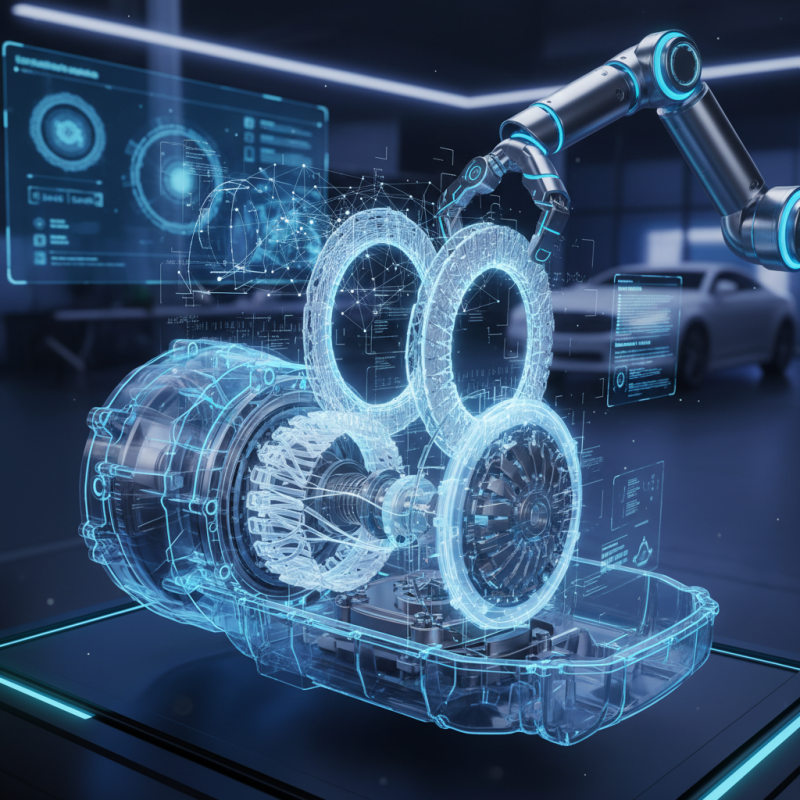
Future Trends in Clutch Technology: An Overview of Innovations
The clutch technology landscape is evolving rapidly. By 2026, several innovations will reshape this essential component in automotive engineering. Current reports suggest that the global clutch market is set to grow significantly. Predictions indicate a compound annual growth rate (CAGR) of around 4.5%. This growth is driven by the increasing demand for fuel-efficient vehicles and the rise of electric mobility solutions.
One crucial innovation is the development of smart clutches. These employ sensors and advanced algorithms that optimize engagement and disengagement. This can lead to enhanced fuel efficiency and smoother rides. Also, advancements in materials will improve durability. Lightweight composites may replace traditional metals. However, the transition poses challenges. Companies must refine production techniques to avoid increased costs associated with new materials.
Another trend involves the transition towards automatic systems. Dual-clutch systems are gaining traction as they offer faster gear shifts and enhanced performance. However, some users still prefer manual systems. A portion of driving enthusiasts might resist this shift. This resistance highlights a need for balance between innovation and tradition. Stakeholders must engage with consumers to navigate this complex landscape. Identifying preferences will be critical as the market evolves by 2026.
Impact of Electric Vehicles on Clutch Technology by 2026
The rise of electric vehicles (EVs) is transforming clutch technology significantly.
According to a recent industry report, EV sales are expected to surpass 30 million units by 2026.
This shift will directly influence clutch design and application. Many EVs use single-speed transmissions, reducing the need for traditional clutches.
However, as hybrid technologies develop, the demand for advanced clutches might remain.
Innovative designs are emerging to address the unique challenges posed by electric powertrains.
For instance, lightweight materials are being explored. They can enhance efficiency and performance.
A survey by a leading automotive research firm indicates that 45% of manufacturers prioritize lightweight components in their R&D efforts.
Moreover, thermal management and durability are critical concerns. Frequent start-stop cycles in urban driving conditions may lead to increased wear on clutches.
Despite the advancements, challenges lie ahead. Not all electric vehicles can achieve the same performance metrics as their internal combustion engine counterparts.
Some still struggle with integrating mechanical systems effectively.
Clutch replacement and maintenance also need re-evaluation.
The entire ecosystem will require adjustments to embrace these technological changes.
Adapting to this new landscape is vital for the future of clutch technology.
Market Projections for Clutch Systems: Growth Statistics and Trends
The clutch technology market is anticipated to see significant growth by 2026. A recent report predicts a compound annual growth rate (CAGR) of 6.4% in the upcoming years. This is driven by the rising demand for efficient powertrain systems in both passenger and commercial vehicles. A push for higher fuel efficiency is making advanced clutch systems even more crucial.
According to industry experts, lightweight materials are gaining traction. They provide better performance and fuel savings. However, the shift to these materials can be challenging. Manufacturers need to adapt their processes, which may lead to initial costs. Companies must also focus on improving thermal resistance. As electrification grows, hybrid systems will further influence clutch designs. The focus is not only on mechanical reliability but also on smart integration.
Projections indicate an increase in electric vehicle adoption. Clutch systems in EVs could transform to support regenerative braking. Yet, there is a gap in understanding these new demands. Traditional clutch designs may not fully meet future requirements. Continuous innovation will be necessary to address these challenges. The road ahead may not be straightforward, but opportunities abound for those willing to innovate.
Advancements in Materials for Enhanced Clutch Performance
The future of clutch technology is closely tied to advancements in materials. Innovative materials are set to revolutionize clutch performance. Lightweight composites and advanced metals can enhance durability. These materials withstand higher temperatures and pressures. As engines become more powerful, clutches must evolve too.
In recent years, researchers have explored various options. Carbon fiber composites show promise due to their strength-to-weight ratio. They can reduce overall vehicle mass, improving efficiency. However, the cost of these materials is still a concern. Manufacturers must balance performance with affordability.
Another area of interest is friction materials. New compounds can provide better grip and longer lifespan. This is vital for both performance and safety. Yet, not all materials perform well under different conditions. Engineers face challenges in ensuring reliability. Testing and innovation remain critical as we approach 2026.
The Role of Automation and Smart Technology in Future Clutch Design
The future of clutch technology is heavily influenced by automation and smart technology. Clutches will not just connect and disconnect power. They will become intelligent systems, adapting to driving conditions in real time. Advanced sensors may optimize engagement based on speed and load. This could enhance performance and fuel efficiency.
As we move towards automated driving, the design of clutches will evolve. Traditional mechanical systems may be replaced by electronic or hydraulic actuators. This shift may lead to smoother shifts and reduced wear. However, integrating these technologies poses challenges. The need for precision and reliability is paramount. Any error could lead to vehicle failures.
Tips: Consider how these advancements can affect vehicle maintenance. Regular checks on automated systems may become even more critical. Also, stay informed about emerging technologies. Engaging with the latest innovations can help you understand their implications for future driving experiences.
FAQS
: The market expects a CAGR of 6.4% by 2026, driven by demand for efficient powertrains.
Lightweight materials enhance performance and fuel savings but require adaptation in manufacturing processes.
Manufacturers must balance the cost of advanced materials with performance and durability needs.
EVs may require clutches that support regenerative braking, presenting new design challenges.
Traditional designs may not meet future requirements, reflecting the need for ongoing development.
Sensors will help optimize clutch engagement based on real-time driving conditions for better efficiency.
Electronic or hydraulic actuators may evolve clutches, leading to smoother shifts and less wear.
Regular checks on these systems will be crucial to prevent potential vehicle failures.
No, not all materials perform consistently; reliability testing remains a challenge for engineers.
Engaging with the latest innovations can help drivers understand their implications for future experiences.
Conclusion
The article titled "What is the Future Trend of Clutch Technology by 2026?" explores significant innovations and transformations expected in clutch systems. As the automotive industry shifts towards electric vehicles, there will be a notable impact on clutch technology, necessitating adaptations to meet evolving efficiency and performance standards. Market projections indicate robust growth in clutch systems, driven by advancements in materials that enhance performance and durability.
Furthermore, the integration of automation and smart technology is poised to revolutionize clutch design, leading to more intelligent and responsive systems. These trends collectively highlight that the future of clutch technology is moving towards greater sophistication, efficiency, and alignment with emerging automotive paradigms. Understanding these changes is essential for stakeholders aiming to navigate the dynamic landscape of vehicle technology by 2026.

 Galleo Auto Parts