When we think about car performance, the clutch disc plays a crucial role. Many drivers wonder, "How long does a clutch disc normally last?" According to Dr. Emily Hart, a renowned automotive expert, "The lifespan of a clutch disc can vary significantly based on several factors." Her insights shed light on the various elements affecting clutch lifespan.
A clutch disc typically lasts between 20,000 to 150,000 miles. However, this range can fluctuate based on driving habits, vehicle type, and maintenance practices. For instance, aggressive driving or frequent stop-and-go traffic can wear down the clutch more quickly. Dr. Hart emphasizes, “Understanding the factors that affect clutch longevity can guide drivers in making informed choices.”
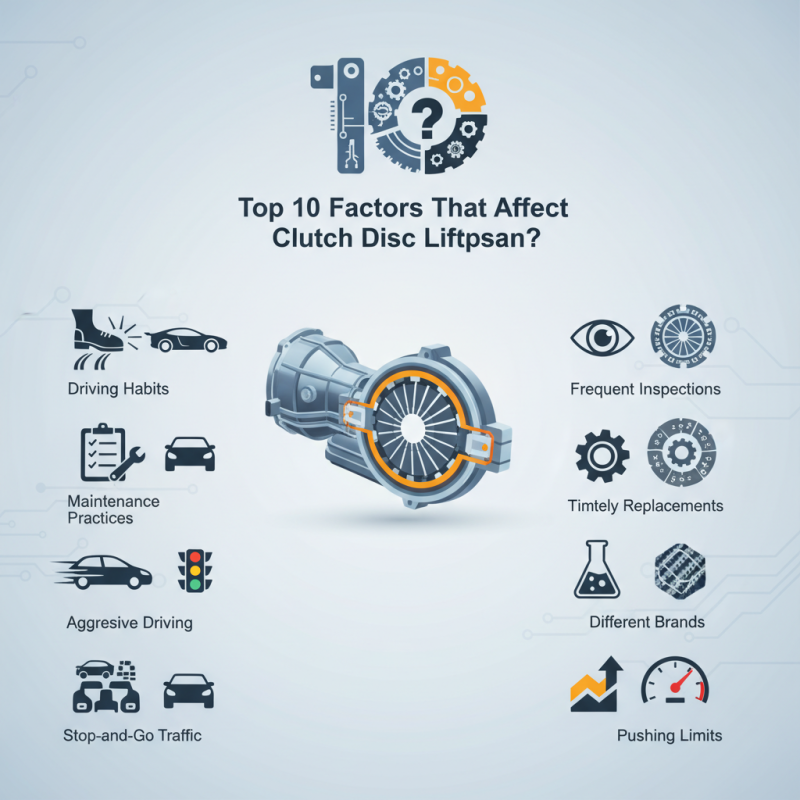
Frequent inspections and timely replacements can help avoid premature failures. Different brands and materials also play a role in durability. As drivers, it's essential to reflect on our own habits. Are we pushing our vehicles to their limits, or are we taking care to ensure a longer clutch life? The answers to these questions can provide insight into how well we maintain our cars.
Factors Influencing Clutch Disc Material Quality and Durability
Clutch disc material quality significantly influences its lifespan. High-quality materials enhance durability and performance. They can withstand high temperatures and resist wear. Furthermore, composite materials often outperform traditional options, providing better longevity. However, lower-quality discs may deteriorate quicker. This can lead to costly repairs and vehicle downtime.
Tips: Regular inspections help catch issues early. Check for signs of wear before they escalate. Maintain proper driving habits to reduce strain on the clutch.
The manufacturing process also plays a crucial role in clutch durability. Precision engineering ensures parts fit seamlessly, minimizing friction and wear. Any inconsistencies can lead to premature failure. Observing the production standards can provide insights into potential issues.
Tips: Researching production techniques can inform better purchasing decisions. Always prioritize reputable manufacturers with proven records. Investing in quality materials can save money in the long run.
Top 10 Factors That Affect Clutch Disc Lifespan
Impact of Driving Habits on Clutch Disc Wear Over Time
Driving habits significantly influence the lifespan of a clutch disc. For instance, aggressive driving, such as rapid acceleration and hard braking, can lead to premature wear. A study by the Automotive Aftermarket Industry Association indicates that 30% of clutch failures stem from poor driving practices. This highlights the need for a smooth driving style to extend clutch life.
Frequent stop-and-go traffic situations also contribute to increased wear. The constant engagement and disengagement can generate excess heat, weakening the clutch material over time. According to a report from the Society of Automotive Engineers, drivers in urban areas can expect clutch replacement up to 50% sooner than those in rural settings. Furthermore, riding the clutch or overusing it during gear changes accelerates wear, leading to costly repairs.
Conversely, maintaining a steady driving speed and using proper gear shifting techniques can preserve the clutch disc. Many drivers underestimate the impact of their habits. Training programs that focus on effective driving techniques could save drivers from unnecessary repairs. In essence, a mindful approach to driving can significantly enhance clutch disc longevity.
Role of Vehicle Weight in Clutch Disc Lifespan Reduction
Vehicle weight significantly impacts clutch disc lifespan. Heavier vehicles exert more pressure on the clutch system. This added weight leads to increased friction during operation. As a result, the clutch disc wears down more quickly, reducing its overall lifespan. For example, a truck loaded with cargo requires more clutch engagement than a lighter car.
In practice, many drivers may not consider how their vehicle's weight affects clutch health. Heavy loads can lead to excessively high temperatures. This environment accelerates wear on the clutch materials. Regular maintenance is crucial, yet it often gets overlooked.
Drivers should be mindful of how frequently they use their clutch, especially under heavy loads. Adjusting driving habits can improve clutch longevity. Taking care of the vehicle is essential for optimal performance.
Effect of Maintenance Practices on Clutch System Longevity
The longevity of clutch systems significantly hinges on maintenance practices. Regular inspections can increase clutch disc lifespan up to 30%, according to recent industry studies. Mechanical wear and tear demand attention. Neglecting small issues can lead to bigger, costlier repairs down the road. Moreover, nearly 25% of clutch failures stem from poor maintenance routines.
Proper adjustment and alignment are crucial. Misalignment can reduce clutch life by 50%, as the uneven pressure leads to premature wear. Technicians recommend periodic checks to ensure the system operates smoothly. Lubrication is also vital; lack of proper lubricants can cause friction that shortens the clutch’s lifespan.
Driver habits play a role, too. Aggressive driving can shorten a clutch's life. Data indicates that smooth shifting can extend clutch life by 20%. It's essential for drivers to be aware of their habits. Even minor adjustments in driving style can yield significant benefits. Addressing maintenance promptly is essential for longevity and performance.
Influence of Operating Conditions on Clutch Performance and Durability
Operating conditions significantly impact clutch performance and durability.
High temperatures can lead to premature wear. Constant engagement under stress creates friction and heat,
worsening clutch disc lifespan. Over time, this can result in slipping or inadequate engagement. Environmental factors like dust and moisture also contribute.
Particles can infiltrate the system, leading to accelerated wear.
Driving habits play a crucial role. Aggressive acceleration and frequent stopping can strain the clutch.
Smooth driving generally ensures longevity. However, not all drivers are aware of their impact.
Some may rush through stops, misunderstanding how it affects their vehicle.
Whether in city traffic or on the highway, being mindful of clutch engagement is essential.
Another aspect to consider is proper maintenance. Regular checks can help catch issues early.
Ignoring minor problems can lead to bigger repairs later. A lack of attention may seem benign but often results in complex failures.
Being vigilant about your vehicle's condition is a proactive way to extend clutch disc lifespan.
FAQS
: High-quality materials enhance durability and performance, resisting wear and high temperatures.
Regular inspections and maintenance can increase lifespan by up to 30%. Early detection of issues helps.
Precision engineering minimizes friction and wear. Inconsistencies lead to premature failure.
Misalignment can reduce clutch life by 50%. It creates uneven pressure causing premature wear.
Yes, aggressive driving shortens clutch life. Smooth shifting can extend it by up to 20%.
High temperatures and stress create friction, leading to premature wear. Dust and moisture worsen conditions.
Proper lubrication reduces friction. Lack of it can significantly shorten the clutch’s lifespan.
Ignoring minor issues can lead to complex failures. Timely attention can prevent bigger, costly repairs.
Regular checks and maintenance are essential. They help catch issues early and ensure optimal performance.
Conclusion
The lifespan of a clutch disc is influenced by several key factors that can significantly impact its quality and durability. High-quality materials are crucial for ensuring longevity, while the driving habits of the operator play a vital role in wear over time. Aggressive driving or frequent stop-and-go situations can accelerate wear, leading to a shorter lifespan. Additionally, the weight of the vehicle affects the strain on the clutch system, potentially reducing its durability. Regular maintenance practices, such as proper adjustments and fluid checks, can enhance the longevity of the clutch system. Lastly, operating conditions, including temperature and load, also influence clutch performance.
In general, the question of "How long does a clutch disc normally last?" can vary widely depending on these factors. While some clutch discs may last up to 100,000 miles or more under optimal conditions, neglecting any of the aforementioned influences can lead to premature failure. Therefore, understanding and addressing these elements is essential for maximizing clutch lifespan.

 Galleo Auto Parts