Understanding the components of a vehicle's clutch system is essential for both car enthusiasts and mechanics. One common question arises: "What is the difference between clutch disc and clutch plate?" This inquiry leads to a deeper insight into how these two parts work together. While they may seem similar, they serve distinct functions.
The clutch disc is a crucial component that engages and disengages the engine's power to the wheels. It is designed with friction material that grips the flywheel and allows for smooth vehicle acceleration. In contrast, the clutch plate often refers to the assembly containing the disc and pressure plate. This assembly helps maintain the necessary pressure for effective engagement.
Delving into these differences reveals the importance of each part in performance and maintenance. Many may overlook this detail. However, recognizing their unique roles can lead to better vehicle care. By understanding these components, drivers can make informed decisions, ultimately enhancing the lifespan of their vehicles.
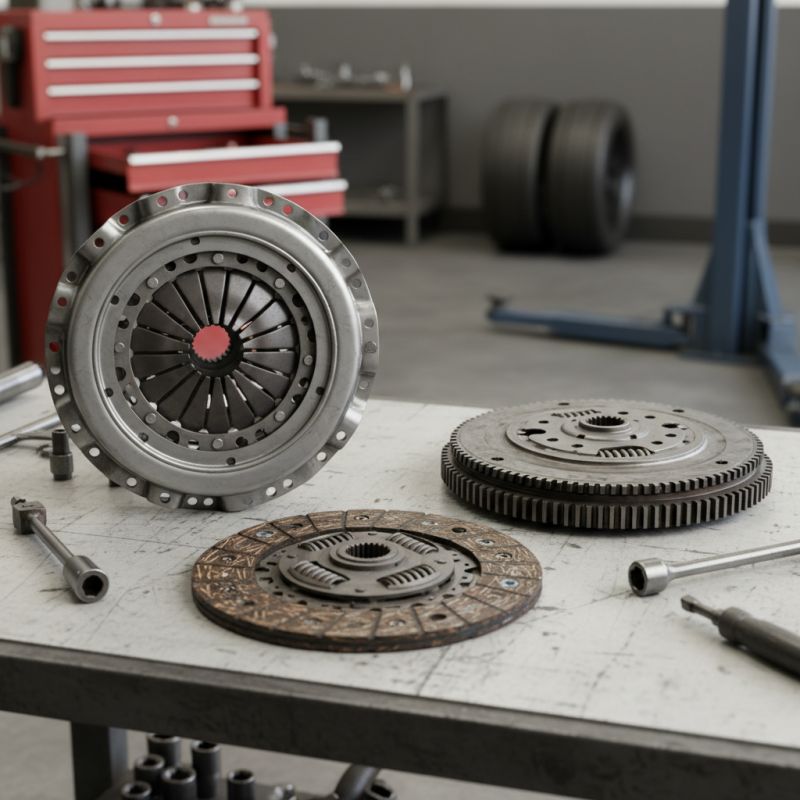
Clutch components play a vital role in vehicle performance. Understanding the difference between the clutch disc and the clutch plate is essential for maintenance. The clutch disc is the component that engages with the flywheel, transferring power from the engine. It is designed to handle friction, absorbing heat generated during operation. Conversely, the clutch plate acts as a housing for the friction material and helps in the smooth engagement and disengagement of the clutch system.
According to the Automotive Parts Manufacturers Association, the clutch market has seen a growth rate of about 4.2% annually. This highlights the importance of knowing your vehicle's components. Ignoring these details can lead to misunderstandings, like mislabeling the clutch plate as a disc. Clear information helps maintain vehicle performance and ensure safety.
Tips: Regular inspections of the clutch system enhance longevity. Check for unusual noises or slipping sensations. These can indicate worn-out components. Take note of any hard shifts while changing gears. If you experience these issues, it’s time for a closer look. Vehicle maintenance requires attention to detail to prevent major problems.
The clutch disc plays a vital role in the operation of vehicles. Its primary function is to connect and disconnect the engine from the transmission. This ensures smooth gear shifts and maximizes power transfer. Typically made of durable friction material, the clutch disc enables efficient engagement without slippage. Its design often includes springs to absorb shock and reduce noise.
When inspecting a clutch disc, look for wear indicators. A worn disc can lead to poor performance. If you notice excessive friction material loss or cracks, it may time for a replacement. Regular maintenance can significantly extend its lifespan.
**Tips:** Check for unusual sounds when shifting. This could indicate issues with the clutch disc. Keeping an eye on pedal feel is also vital. A spongy or overly stiff pedal may suggest underlying problems. Understanding how to identify these signs can save you from costly repairs.
| Feature | Clutch Disc | Clutch Plate |
|---|---|---|
| Function | Engages and disengages power transmission | Applies pressure to hold clutch disc against flywheel |
| Location | Located between the clutch plate and flywheel | Mounted on the flywheel or pressure plate |
| Material | Usually made of friction material like ceramic or organic compounds | Typically made of metal |
| Wear and Tear | Wears out faster due to friction | More durable but may warp or crack |
| Replacement Interval | Often replaced with clutch replacement | Less frequently replaced unless damaged |
The clutch plate is a crucial component in a vehicle’s transmission system. It connects the engine to the transmission and plays a key role in engaging and disengaging power. A well-designed clutch plate ensures smooth transitions during gear changes. The materials used often include a mix of friction materials, steel, and other alloys, aimed at maximizing durability and performance.
When examining a clutch plate, pay close attention to its surface. Signs of wear or heat damage can drastically affect performance. If the surface feels gritty or appears glazed, replacement may be necessary. Regular inspections can prevent significant issues down the road.
Tips for Maintaining Your Clutch Plate:
Understanding the clutch plate’s function and characteristics is essential for proper maintenance. Investing time and care into this component can lead to more reliable vehicle performance. Be mindful of its condition, as neglect may lead to costly repairs or decreased drivability.
The clutch disc and clutch plate play pivotal roles in vehicle operation. Understanding their differences is essential for mechanics. The clutch disc engages and disengages the engine from the transmission. It is a friction component, often made of various materials. In contrast, the clutch plate is a broader term that may encompass the clutch assembly, which includes the disc, pressure plate, and flywheel.
The main distinction lies in their function. According to industry reports, over 75% of clutch-related failures are linked to wear on the disc. This highlights the importance of regular maintenance. Regular inspections can prevent costly repairs. Furthermore, clutch discs typically withstand more heat and pressure than plates. High-performance vehicles often require premium materials for their discs, such as ceramic. These materials enhance durability but can also increase costs.
Maintenance challenges arise. Not all vehicles have easily accessible components. Some mechanics find it difficult to diagnose issues without full disassembly. Misunderstanding the roles of these parts can lead to incorrect repairs. Inaccurate part identification often results in repeated failures. Thus, a solid grasp of these differences is vital for any professional in the field. Investing in training and resources can improve service reliability.
When dealing with clutch systems, issues can arise with both the clutch disc and clutch plate. Understanding these problems is crucial for any vehicle owner. The clutch disc, located between the flywheel and the pressure plate, often suffers from wear due to friction. Symptoms may include slipping or difficulty in shifting gears. A worn disc can lead to a complete loss of clutch functionality.
On the other hand, the clutch plate, which serves to press against the clutch disc, can also exhibit problems. Over time, it may warp or fracture, causing uneven pressure. This could result in a noisy operation or a grinding feeling when changing gears. Regular inspections can help catch these issues early. Look for unusual sounds or delayed engagement of the clutch. These signs may indicate that both components need attention.
Repairing or replacing worn discs and plates is essential for reliable vehicle performance. However, many drivers delay addressing these issues. Ignoring these warning signs can lead to more significant problems later. It's wise to consult with a trusted mechanic when encountering these symptoms. Keeping an eye on your clutch system can ensure a smoother driving experience.
: The clutch disc connects and disconnects the engine from the transmission. This allows for smooth gear shifts.
Look for excessive friction material loss or cracks. Unusual sounds during shifting may also indicate wear.
The clutch disc engages/disengages the engine. The clutch plate includes the assembly, which consists of the disc and other parts.
Regular maintenance can prevent costly repairs. Most clutch failures relate to wear on the clutch disc.
Signs include slipping, difficulty shifting, or unusual sounds. A spongy or overly stiff pedal may also indicate problems.
Clutch discs can be made from various materials. High-performance vehicles may require more durable materials like ceramic.
Some issues are difficult to diagnose without disassembly. It's best to consult a trusted mechanic for assistance.
Ignoring clutch issues can lead to complete failure. This can result in more significant, costly problems later.
If you notice measured wear or changes to the clutch's performance, it may be time for replacement. Regular inspections help.
The article "How to Differentiate Between Clutch Disc and Clutch Plate?" offers a comprehensive overview of these fundamental components in a vehicle's clutch system. Understanding the basics of clutch components, it defines the clutch disc and its primary function of engaging and disengaging the engine's power from the transmission. Additionally, it explores the clutch plate, highlighting its role in facilitating smooth engagement while providing a durable surface for the clutch disc.
Furthermore, the article addresses the key differences between clutch disc and clutch plate, emphasizing their distinct characteristics and purposes. Common issues related to these components are also discussed, offering insights into maintenance and troubleshooting. Ultimately, the article answers the essential question: what is the difference between clutch disc and clutch plate, equipping readers with valuable knowledge to manage their vehicle’s clutch system effectively.

Galleo Auto Parts