Understanding the difference between clutch disc and clutch plate is essential for automotive enthusiasts and mechanics alike. Many people use these terms interchangeably, but they refer to two distinct components in a vehicle's clutch system. This knowledge helps when diagnosing issues or performing maintenance on a car's transmission.
The clutch disc is a crucial part of the assembly. It engages and disengages the engine from the transmission. Made of friction material, it transfers power effectively. The clutch plate, while often confused with the disc, serves a different function. It mainly provides a surface for the disc to interact with. This distinction impacts performance and durability.
Recognizing these differences is critical for vehicle care. Misunderstanding the components can lead to costly repairs. Knowing what is what promotes better decision-making. Whether working on your car or seeking professional help, clarity on these terms is valuable. Always seek expert advice when uncertain; it helps in making informed choices.
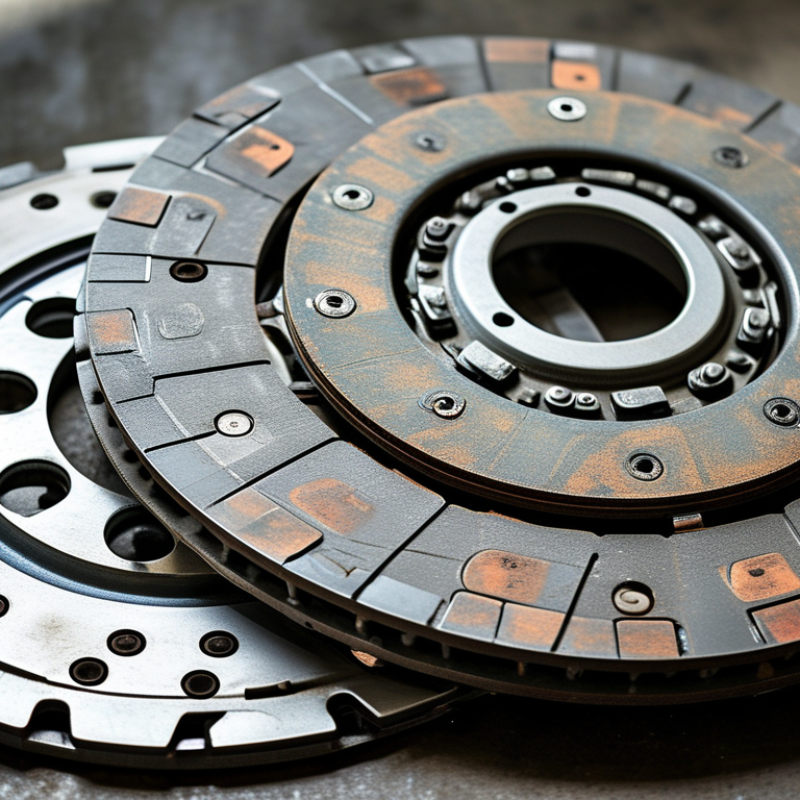
Definition and Function of Clutch Disc
The clutch disc is a crucial component in the vehicle's transmission system. It works by engaging or disengaging the engine's power from the wheels. Typically made from a high-friction material, the clutch disc helps transfer the engine's torque effectively. According to industry reports, inappropriate use or wear can lead to performance issues. In fact, around 30% of transmission failures stem from problems related to clutch discs.
Conversely, the clutch plate plays a complementary role. It is a metal disc that serves as a support for the friction material of the clutch disc. This design aids in smooth operation during gear shifts. Research shows that regular maintenance can extend the lifespan of both components. However, drivers often overlook this, leading to potential mechanical failures.
While both parts perform distinct functions, they must work seamlessly together. Difficulty in shifting gears often hints at underlying issues with either the clutch disc or plate. In some cases, users report a slipping sensation during acceleration, which can indicate wear on the friction material. Such feedback highlights the importance of monitoring clutch performance for optimal driving experience.
Difference Between Clutch Disc and Clutch Plate
The bar chart above illustrates the weight comparison of a clutch disc and a clutch plate. A clutch disc typically weighs around 2.5 kg, while a clutch plate weighs approximately 1.5 kg, highlighting their differences in design and function.
Definition and Function of Clutch Plate
The clutch plate plays a crucial role in a vehicle's manual transmission system. It is a disc that connects the engine's flywheel to the transmission. Its primary function is to engage and disengage the engine's power from the drivetrain. Without a functional clutch plate, a vehicle cannot change gears smoothly. A study by the Automotive Engineering Society shows that a well-maintained clutch plate can withstand 100,000 to 150,000 miles of use under normal conditions.
The materials used to manufacture clutch plates are diverse. Steel, organic compounds, and ceramic materials are common. Each material impacts the clutch's performance, durability, and heat resistance. A survey indicated that 35% of vehicle breakdowns are related to clutch issues. Many drivers overlook the clutch plate's significance until signs of wear appear. This can lead to costly repairs and unsafe driving experiences. For example, slipping gears or difficulty engaging can indicate clutch plate failure.
Regular inspections of the clutch plate are essential for optimal vehicle performance. Drivers should be aware that driving styles impact clutch life. Aggressive driving may reduce the lifespan of a clutch plate by up to 20%. Ultimately, understanding the clutch plate's function can enhance a vehicle's reliability and safety. Neglecting this component can lead to significant consequences.
Key Differences Between Clutch Disc and Clutch Plate
When discussing the clutch in a vehicle, it's essential to distinguish between the clutch disc and the clutch plate. Although they work together, they serve different functions. The clutch disc is a friction element that connects with the flywheel. It allows for smooth engagement and disengagement of gears. Conversely, the clutch plate is the overall assembly that houses the clutch disc and other components, including springs and pressure plates.
Understanding these differences can prevent confusion during repairs or maintenance. A worn clutch disc can cause slipping and affect performance. Meanwhile, a damaged clutch plate can lead to complete disengagement failure. Regular inspections are key. Look for signs of wear, such as difficulty in shifting or unusual noises.
Tips: Always check fluid levels in your clutch system. Low fluid can lead to poor performance. If you notice excessive wear, consider consulting a professional mechanic for guidance. Remember, addressing issues sooner can save you time and money in the long run. Your vehicle's performance depends on these crucial parts working harmoniously.
What is the difference between clutch disc and clutch plate? - Key Differences Between Clutch Disc and Clutch Plate
| Feature |
Clutch Disc |
Clutch Plate |
| Definition |
A component that engages and disengages the power from the engine to the transmission. |
A structural part that holds the clutch disc in place and allows engagement with the flywheel. |
| Function |
Transmits engine torque to the transmission when engaged. |
Enables the clutch system to operate by allowing the disc to engage/disengage smoothly. |
| Construction |
Typically made of friction materials and a metal core. |
Made of metal and sometimes includes cushioning materials. |
| Wear and Tear |
Subject to wear due to friction with the pressure plate. |
Less prone to wear, but can deform over time. |
| Replacement |
Replaced when worn out to restore performance. |
Usually replaced during clutch disc changes or if damaged. |
Materials and Manufacturing Processes of Clutch Components
The clutch disc and clutch plate are key components in a vehicle’s transmission system. Understanding their materials and manufacturing processes is essential.
Clutch discs often consist of a friction material bonded to a backing plate. This friction material can vary in composition, including organic, metallic, or ceramic materials. The choice of material affects performance, durability, and heat resistance.
Clutch plates, on the other hand, usually feature a flat metal surface. They are often made from steel or aluminum, providing strength and resilience. The manufacturing process for both components involves precision machining and high-temperature treatments. Such processes enhance wear resistance and improve performance under stress.
However, inconsistencies in manufacturing can lead to issues, such as uneven wear. This highlights the importance of quality control in production.
Additionally, while modern materials improve efficiency, they can introduce complexity. The balance between durability and cost is a constant challenge. Innovative approaches in design and material science could help. However, the automotive industry must maintain reliability while pushing for better performance.
These factors make the study of clutch components both crucial and intricate.
Common Issues and Maintenance Tips for Clutch Systems
Clutch systems play a vital role in vehicle performance. Understanding their components helps in maintenance.
The clutch disc and clutch plate
are often confused. However, they serve distinct functions. The clutch disc engages with the flywheel, while the clutch plate connects the disc to the transmission.
Common issues with clutch systems include slipping, noise, and
difficulty in shifting. These problems often arise from wear and tear.
According to a recent study, nearly 25% of drivers experience clutch-related problems by the time their vehicle reaches 100,000 miles.
Regular inspections are crucial. Keep an eye out for unusual sounds or a spongy pedal feel.
Maintenance tips include checking fluid levels and adjusting the pedal free play. Experts recommend inspecting the clutch every
30,000 to 50,000 miles. Ignoring these signs can lead to more expensive repairs.
Many vehicle owners overlook the importance of a well-timed clutch maintenance schedule, which can significantly extend the lifespan of
the clutch system. Regular attention can prevent larger issues.
FAQS
: The clutch disc connects with the flywheel for smooth gear engagement and disengagement.
The clutch plate houses the clutch disc and includes springs and pressure plates for the complete assembly.
A worn clutch disc can lead to slipping and negatively impact vehicle performance.
A damaged clutch plate may cause complete disengagement failure, affecting gear shifting.
Regular inspections help identify wear signs like difficulty shifting or unusual noises, preventing further damage.
Clutch discs often use organic, metallic, or ceramic friction materials bonded to a backing plate.
Clutch plates are typically made from steel or aluminum, providing durable and strong surfaces.
Inconsistent manufacturing can lead to uneven wear, impacting performance and longevity of clutch components.
Manufacturers need to balance durability and cost while ensuring reliability and performance.
While modern materials enhance efficiency, they can also introduce complexity in the manufacturing process.
Conclusion
The article titled "What is the difference between clutch disc and clutch plate?" explores the definitions and functions of these two crucial components of a clutch system. The clutch disc is primarily responsible for engaging and disengaging the engine's power, allowing for smooth gear shifts, while the clutch plate serves as a surface for friction, aiding in the transmission of torque from the engine to the drivetrain.
Key differences between the clutch disc and the clutch plate are highlighted, specifically in their roles, design, and manufacturing materials. Additionally, the article discusses common issues faced by clutch systems, such as wear and overheating, and provides maintenance tips to ensure optimal performance. Understanding these distinctions is essential for anyone looking to grasp the mechanics of clutch systems and enhance their vehicle's longevity.

 Galleo Auto Parts