How Does a Clutch Disc Work in a Transmission System?

Time:2026-05-01 Author:Amelia
0%

The clutch disc is an essential component of a transmission system. Understanding how does a clutch disc work in a transmission system can greatly enhance your knowledge of vehicle mechanics. When the driver engages the clutch, the disc connects the engine to the transmission. It enables smooth gear shifts and power transfer.

During operation, the clutch disc faces intense friction. This friction is crucial for effective engagement and disengagement. However, this process can wear down the disc over time. Regular maintenance is necessary to prevent failure. If the clutch disc wears out, it can lead to slippage. This often results in poor performance or difficulty in shifting gears.

Many drivers overlook the importance of the clutch disc. They may not realize its role in efficient driving. Understanding how it works allows for better vehicle care. A proactive approach can extend the lifespan of this vital component. Knowledge of how does a clutch disc work in a transmission system can lead to better driving experiences. It is a skill worth developing for every vehicle owner.
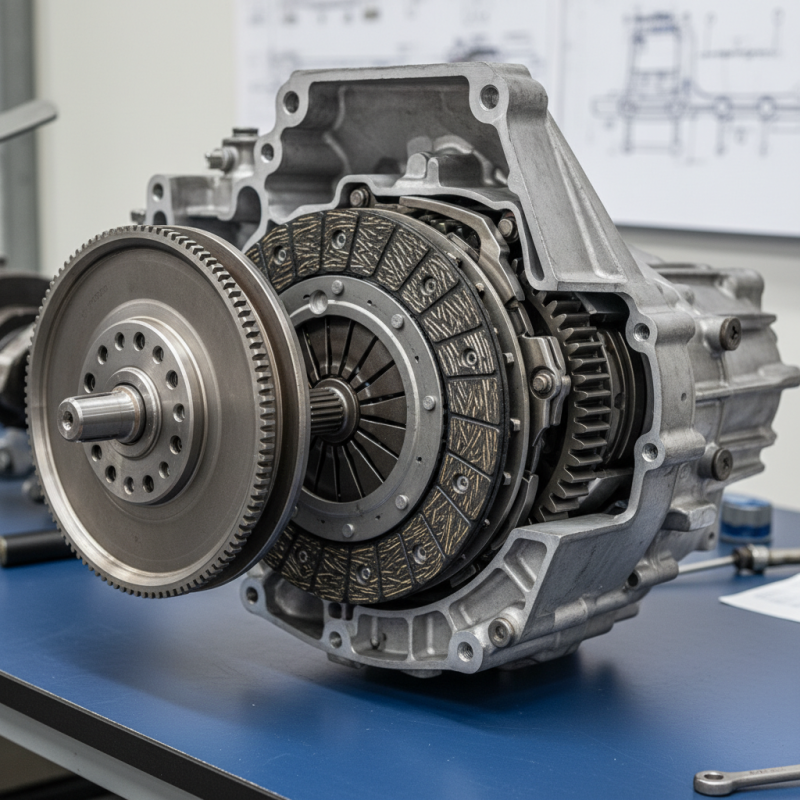
How Does a Clutch Disc Work in a Transmission System?

Understanding the Function of a Clutch Disc in a Transmission System

A clutch disc plays a crucial role in a vehicle's transmission system. It acts as the connection point between the engine and the gearbox. When the driver presses the clutch pedal, the pressure plate releases tension from the disc, allowing gear changes. The friction material on the disc helps transfer power smoothly.

Understanding how a clutch disc works begins with its design. The disc is made up of metal and friction material. This combination allows it to withstand high heat and pressure. The disc must be durable, yet flexible enough to engage and disengage quickly. Over time, wear and tear may diminish its performance, leading to slippage or difficulty in shifting gears.

Proper maintenance of the clutch disc is often overlooked. Drivers may ignore warning signs like odd sounds when shifting. Regular inspections can prevent premature failures. It's essential to keep an eye on the clutch fluid levels and replace the disc when necessary. A well-maintained clutch disc ensures a smoother ride and prolongs the life of the transmission system.

The Components of a Clutch Disc and Their Roles

The clutch disc is a crucial component in the transmission system of a vehicle. It enables smooth engagement and disengagement of the engine from the drivetrain. Understanding its parts helps in understanding how it operates.

A clutch disc mainly consists of friction material, a core, and spring components. The friction material provides the necessary grip to transfer power between the engine and the transmission. It must withstand high temperatures and pressure. The core supports the friction material, while springs help absorb vibrations, improving the overall performance.

Tips: Regularly check the clutch disc for wear. Signs of slipping or difficulty in shifting gears indicate potential issues. Proper maintenance can extend its lifespan.

The spring components also serve an essential role. They allow the clutch to disengage when the pedal is pressed. However, these springs can wear out over time. This can lead to unpredictable performance. It's important to replace them preventively.

Overall, while the clutch disc appears simple, its functionality is complex. Observing how these components interact provides valuable insights into the entire system.

How Clutch Discs Engage and Disengage in a Transmission

Clutch discs play a vital role in the transmission system of vehicles. Their primary function is to engage and disengage the engine power from the wheels. When the driver presses the clutch pedal, the clutch disc separates from the flywheel. This action allows the transmission to shift gears smoothly. The separation creates a gap between the engine and the wheels, preventing any power transfer.

Engagement occurs when the driver slowly releases the clutch pedal. The spring-loaded mechanism pushes the disc against the flywheel. As the pressure increases, the clutch disc grips the flywheel, allowing engine power to flow to the wheels. This process requires precision; any hesitation can lead to a rough start or engine stalling.

Understanding this mechanism is crucial for drivers. Signs of a failing clutch disc, such as slipping or difficulty in shifting gears, should be addressed quickly. Regular maintenance can help prevent issues. However, not all drivers pay attention to their clutch’s performance, leading to potential problems. You might notice that a worn clutch disc can negatively affect overall driving experience.

How Does a Clutch Disc Work in a Transmission System?

Feature Description Function
Material Usually made of friction materials like organic, ceramic, or metallic compounds Provides the surface needed to create friction for engagement/disengagement
Functionality Connects and disconnects the engine power from the drivetrain Allows for smooth gear changes and vehicle stopping
Engagement Process When the clutch pedal is released, the clutch disc is pressed against the flywheel Transmits power to the transmission
Disengagement Process When the clutch pedal is pressed, the pressure plate moves away from the clutch disc Disconnects power flow, allowing for gear changes
Maintenance May require periodic inspection and replacement depending on wear Ensures reliable operation and performance of the transmission

Factors Affecting Clutch Disc Performance and Longevity

The performance and longevity of a clutch disc are influenced by several critical factors. One significant aspect is material quality. A well-made clutch disc from durable materials can endure higher temperatures and pressures. Visually, this means you might notice minimal wear over time. Conversely, poor materials can degrade quickly, affecting how the vehicle engages and disengages.

Driving conditions also play a crucial role in clutch performance. Frequent stop-and-go traffic can lead to premature wear. The user may find their clutch slipping or grabbing unexpectedly. Regular inspections can help catch these issues early. Additionally, driving habits matter. Aggressive driving can strain the clutch disc, leading to inefficient operation. It’s essential to balance performance needs with gentle usage to extend the disc's life.

Environmental factors should not be overlooked. Extreme heat or moisture can accelerate wear. A driver may notice a decrease in responsiveness during harsh weather conditions. Maintaining a clean transmission system can mitigate these challenges. Awareness of these influences lets drivers better manage their clutch system and helps ensure a longer lifespan for the clutch disc.

Clutch Disc Performance Analysis

This chart illustrates the factors affecting the performance of a clutch disc in a transmission system. The data represents the influence level (on a scale of 0 to 100) of different factors such as friction material quality and temperature resistance on the overall performance and longevity of the clutch disc.

Common Issues and Maintenance Tips for Clutch Discs

Maintaining the clutch disc in a transmission system is crucial for smooth vehicle operation. Common issues include wear and tear, which can lead to slippage. Over time, friction material on the disc degrades, causing poor engagement. Drivers may notice their vehicle hesitating during gear shifts. This symptom often points to a worn clutch disc that requires immediate attention.

Regular inspections can help identify problems before they escalate. Look for signs such as unusual noises or difficulty changing gears. These could indicate that the clutch disc is not functioning properly. However, finding a professional to diagnose the issue is essential. Sometimes, DIY fixes might not address the underlying problem effectively. It's important to remember that neglecting maintenance can lead to expensive repairs.

Cleaning the clutch area is also crucial for performance. Dust and debris can accumulate and impair function. Properly adjusting the clutch pedal can enhance its lifespan. However, many overlook this simple adjustment. Reflecting on these aspects can improve overall vehicle longevity. Remember, even small neglect can lead to significant issues down the road.

FAQS

: What is the primary function of clutch discs?

: Clutch discs engage and disengage engine power from the wheels.

How does a driver engage the clutch?

The driver slowly releases the clutch pedal, allowing the disc to grip the flywheel.

What happens when the clutch disc separates from the flywheel?

It creates a gap, preventing power transfer, allowing smooth gear shifts.

What are signs of a failing clutch disc?

Signs include slipping and difficulty shifting gears, indicating the need for attention.

Why is regular maintenance important for clutch discs?

Regular checks can prevent issues such as slippage and costly repairs.

How can dust affect clutch performance?

Accumulated dust can impair clutch function, leading to problems during operation.

What can drivers do to enhance clutch lifespan?

Proper adjustment of the clutch pedal and regular cleaning can improve longevity.

What might happen if maintenance is neglected?

Neglecting maintenance can lead to significant issues and expensive repairs.

Can DIY fixes always resolve clutch problems?

No, sometimes professional diagnosis is necessary to address underlying issues effectively.

Why is precision important when engaging the clutch?

Any hesitation can lead to rough starts or even stalling of the engine.

Conclusion

The article "How Does a Clutch Disc Work in a Transmission System?" delves into the essential role of the clutch disc within automotive transmission systems. It begins by explaining the function of a clutch disc, which is crucial for engaging and disengaging the engine from the wheels, allowing for smooth gear transitions. The article further breaks down the components of a clutch disc, highlighting the unique roles each plays in its operation, and detailing the process of engagement and disengagement.

Additionally, the discussion extends to the various factors that impact clutch disc performance and longevity, such as driving habits and maintenance practices. Common issues affecting clutch discs, along with practical maintenance tips, are also provided to help ensure optimal functionality. Overall, understanding how does a clutch disc work in a transmission system is vital for vehicle performance and driver safety.

Amelia

Amelia

Amelia is a seasoned marketing professional with a wealth of expertise in our company’s core offerings. With an unwavering passion for driving growth and innovation, she plays a pivotal role in shaping our marketing strategies and enhancing brand visibility. A key aspect of her responsibilities......