When it comes to your vehicle's performance, selecting the right clutch disc is crucial. Many drivers face the dilemma of choosing between organic and ceramic clutch discs. Understanding how to choose between organic and ceramic clutch discs involves examining their materials, performance characteristics, and suitability for your specific driving conditions.
Organic clutch discs offer smooth engagement and quieter operation. They are ideal for daily driving and vehicles that prioritize comfort. However, these discs may wear out faster under high-stress conditions. On the other hand, ceramic clutch discs excel in high-performance scenarios. They provide excellent heat resistance and durability. Yet, they can be harsher on both your transmission and your driving experience.
Ultimately, the decision comes down to personal preference and your vehicle's needs. Reflect on your driving habits. Consider whether you need a disc designed for daily use or one that can handle the rigors of racing. Both options have their pros and cons, and your choice should reflect your priorities for performance, comfort, and longevity.
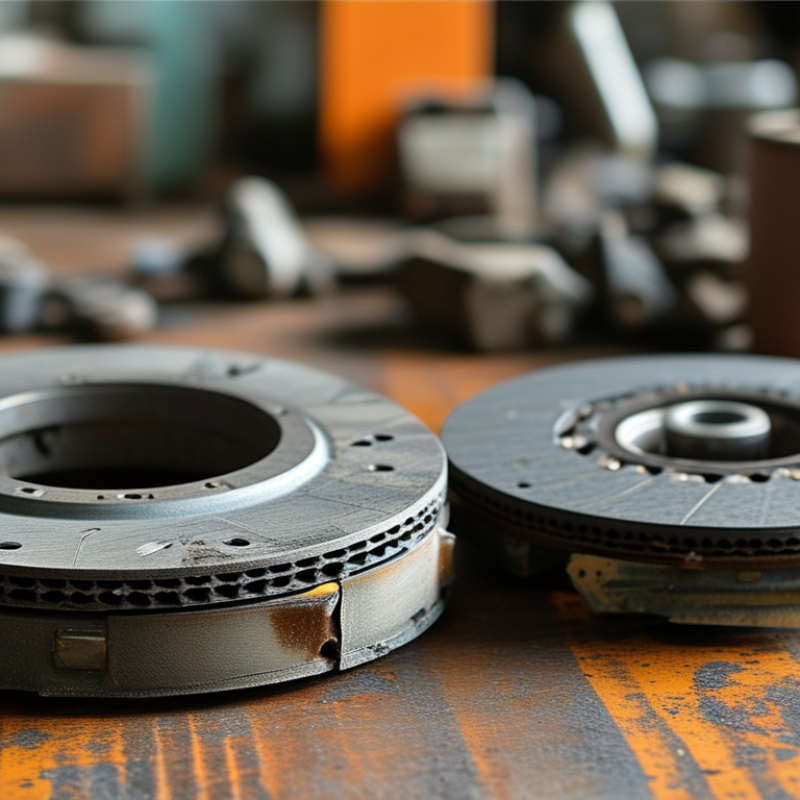
Understanding the Basics of Clutch Discs: Organic vs. Ceramic
When choosing clutch discs for your vehicle, understanding the differences between organic and ceramic materials is vital. Organic discs are typically made from a blend of materials like rubber and textiles. They offer a smoother engagement and quieter operation. This makes them an ideal choice for everyday driving and commuting.
On the other hand, ceramic discs provide exceptional performance and durability. They are designed for high-performance applications. While they can handle more heat, they might result in a harsher feel during operation. This could be uncomfortable for some drivers during regular use.
In addition to the material differences, consider driving habits and vehicle requirements. If you drive mainly in city traffic, organic discs could be a better fit. But for high-speed conditions or racing, ceramic may be necessary. It's essential to reflect on these aspects carefully. Selecting the right clutch disc starts with knowing your vehicle's demands and how you drive. This decision can significantly impact performance and longevity.
Evaluating Performance Needs for Your Vehicle's Driving Style
When selecting a clutch disc, consider your driving style. Organic and ceramic discs each offer distinct performance characteristics. According to the Society of Automotive Engineers, organic discs provide a smoother engagement. This can enhance daily driving experiences, especially in urban settings. They work well in moderate horsepower applications.
In contrast, ceramic discs excel in high-performance scenarios. They handle increased temperatures and force without fading. A study from the International Journal of Automotive Engineering suggests they are ideal for racing or heavy-duty vehicles. If you're frequently towing or racing, ceramic might be the better choice.
Evaluate how you drive. If you prefer aggressive starts and spirited acceleration, the durability of ceramic discs is key. For a relaxed, commuter-oriented style, organic materials may suffice. Remember that while performance is a priority, cost and longevity matter too. Weigh these factors carefully for the best outcome. Your choice should reflect both your performance needs and your vehicle’s capabilities.
Comparing Durability and Heat Resistance in Clutch Disc Materials
When choosing between organic and ceramic clutch discs, durability is key. Organic clutch discs are known for their smooth engagement. They provide excellent grip but wear out faster under extreme conditions. Heat resistance may not be their strong point. This can lead to slippage and reduced performance during heavy driving.
On the other hand, ceramic clutch discs offer superior heat resistance. They can handle high temperatures without degrading. This makes them ideal for performance vehicles or heavy-duty applications. However, they can be harsher on the flywheel. This might require more frequent replacements or repairs. Understanding these trade-offs is essential for making the right choice.
Drivers often overlook these factors, relying solely on personal preferences. Yet, the right material can make a significant difference over time. Consider your driving style and environment. Do you drive in stop-and-go traffic or engage in racing? These details matter when selecting the best clutch disc for your vehicle.
Assessing Cost Implications of Organic and Ceramic Clutch Discs
When considering clutch discs, cost implications play a crucial role. Organic and ceramic options differ significantly in price. Organic discs tend to be more affordable, often ranging from $50 to $100. This makes them appealing for budget-conscious consumers. However, the longevity of organic discs is typically shorter, averaging around 30,000 to 60,000 miles. This may lead to more frequent replacements, ultimately driving up long-term costs.
Ceramic discs, on the other hand, can cost between $100 and $300. They have a longer lifespan, often exceeding 70,000 miles. This could mean fewer replacements over time. Additionally, ceramic materials provide better heat resistance and performance. According to a report by the Automotive Aftermarket Suppliers Association (AASA), vehicles using ceramic discs show improved performance metrics by as much as 20% under high-stress conditions.
However, the initial investment in ceramic discs can be daunting for a vehicle owner. Many may worry about over-spending upfront, even if the long-term benefits could justify the expense. It's essential to weigh individual driving habits against these costs. For example, frequent heavy towing or racing may warrant a ceramic disc, while casual city driving might not. Each choice involves trade-offs, and understanding your driving style helps in making an informed decision.
Cost Comparison of Organic vs. Ceramic Clutch Discs
Installation Considerations and Maintenance Tips for Clutch Discs
When installing clutch discs, consider several critical factors to ensure optimal performance. Organic and ceramic discs differ significantly in their installation requirements. Organic discs are generally more forgiving during installation, offering a smoother engagement.
Conversely, ceramic discs may require precise alignment and meticulous torque specifications, as they can easily crack under excess pressure.
Maintenance is equally important in prolonging the life of clutch discs. Industry reports indicate that regular inspections can reduce the likelihood of premature failure by up to 30%. It is crucial to check for signs of wear, such as slippage or unusual noises. Keeping the hydraulic system clean and topped off is essential. A dirty system can lead to clutch drag, hindering engagement and causing unnecessary wear.
Ignoring minor issues can lead to significant expenses. For example, a worn disc can result in damage to the flywheel, adding costs to repairs. Comprehensive maintenance schedules can help address these problems early. Knowledgeable mechanics recommend replacing discs every 60,000 to 100,000 miles, depending on driving conditions. Investing in regular checks can save time and money in the long run.
FAQS
: Consider your driving style, performance needs, and cost. Organic discs suit casual driving; ceramic discs excel in performance.
Organic discs last around 30,000 to 60,000 miles. Their shorter lifespan may require more frequent replacements.
Ceramic discs generally cost between $100 and $300. They can be a larger initial investment but last longer.
Ceramic discs handle high temperatures and stress well. They resist fading, making them ideal for racing or heavy towing.
Regular inspections are vital. Check for wear, unusual noises, and ensure the hydraulic system is clean and topped off.
Ignoring problems can lead to costly repairs. A worn disc might damage the flywheel, leading to more significant expenses.
Conclusion
When considering how to choose between organic and ceramic clutch discs, it’s essential to understand the fundamental differences between these materials. Organic clutch discs typically provide smooth engagement and are suitable for daily driving and light performance applications. In contrast, ceramic discs excel in high-performance situations due to their superior durability and heat resistance, making them ideal for aggressive driving styles.
Evaluating your vehicle's performance needs is crucial to making an informed decision. While organic discs are often more affordable, ceramic discs may offer better longevity under extreme conditions. Additionally, installation and maintenance of these discs should be considered, as they can vary significantly between the two types. Ultimately, the right choice depends on your driving style, budget, and performance expectations.

 Galleo Auto Parts